Discover how tailored telephony solutions can revolutionize your organization’s communication efficiency—are you truly harnessing the full potential of Grandstream’s innovative devices? In today’s fast-paced business landscape, effective communication extends beyond basic calls to support productivity and customer satisfaction. Customized systems, powered by devices like Grandstream’s IP phones and managed via platforms such as GDMS, offer seamless scalability, smart auto-attendants, and secure integrations. As technology evolves with cloud management, VoIP, and the advent of 5G, the future promises smarter, more connected environments that adapt to your needs. But are you prepared to navigate these rapid advancements? Implementing a personalized telephony setup involves strategic planning, remote management, and ongoing optimization—transforming communication from a routine utility into a strategic business asset. Embracing these innovations could redefine how your organization connects, collaborates, and grows in a digital-first world.
Enhance Your Business Communication with FiberConX’s Advanced VoIP Solutions in Canada
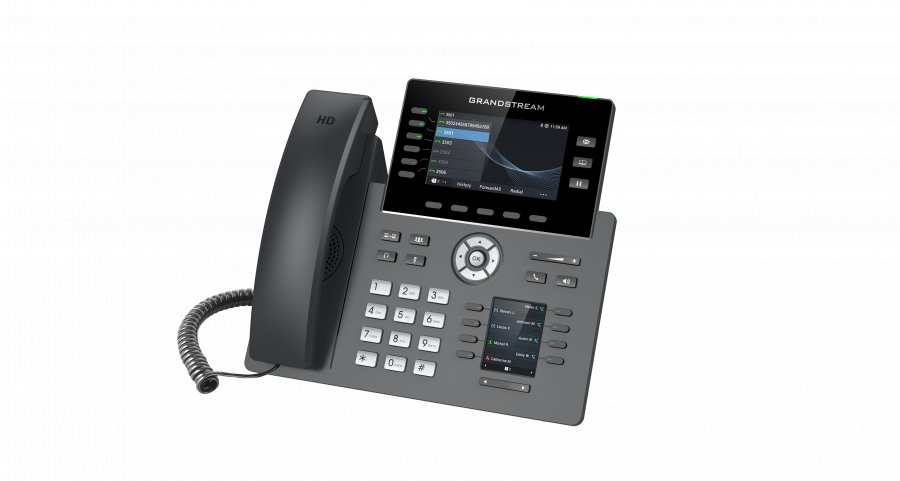
Discover how FiberConX Communications, based in Canada, delivers reliable VoIP business and residential phone services tailored to your needs. Our solutions include features like voicemail, IVR, Ring Groups, and voicemail-to-mail, ensuring seamless communication for your organization. For enhanced hardware integration, explore our Grandstream IP Phones, compatible with our robust VoIP systems. Whether you’re looking to improve customer interactions or streamline internal communication, FiberConX provides tailored services to boost efficiency. Contact us today at 1.800.961.6856 or email [email protected] to learn more about our offerings and how we can help elevate your business communication infrastructure.
Transform Your Business Communication with Customized Telephony Solutions
In today’s fast-moving business environment, effective communication goes beyond simply making phone calls. It’s about how those conversations support your team’s productivity and enhance customer experiences. Traditional phone systems often provide basic functions but fall short when it comes to meeting the specific demands of modern organizations. That’s where customized telephony solutions come into play, transforming communication into a strategic advantage tailored precisely to your needs.
By designing a telephony setup that aligns with your unique workflows, you ensure that calls are routed efficiently and reach the right person at the right time. Personalized features like department-specific auto-attendants, call forwarding, and integrated CRM tools simplify internal processes and improve responsiveness. This not only reduces wait times but also minimizes miscommunication, helping your team serve clients more effectively and confidently.
Scalability is another key benefit of tailored systems. As your business grows, so do your communication requirements. Custom solutions can expand seamlessly—adding new lines, features, or devices without major disruptions or costly upgrades. This flexibility keeps your operations agile, ready to adapt quickly to market changes or increased demand. Devices like Grandstream’s IP phones support this approach, offering easy configuration and smooth integration with cloud management platforms such as GDMS.
Implementing a customized telephony system might seem complex initially, but with careful planning and the right tools, it becomes straightforward. Start by mapping your workflows to identify critical features for each department. Then, select devices that support those needs and leverage cloud-based platforms for remote setup, management, and monitoring. This approach reduces on-site support requirements and speeds up deployment, ensuring a smooth transition that minimizes downtime.
Ultimately, tailored telephony isn’t just about upgrading hardware; it’s about creating a communication environment that works for your specific business. It empowers your team with tools designed for their roles, improves customer interactions, and sets the stage for long-term growth. As technology continues to evolve, so does the potential to refine and optimize your communication strategies—making customized solutions an essential part of staying competitive.
Harnessing the Power of Cloud and Device Innovation in Modern Telephony
Recent advancements in telephony technology are reshaping how businesses manage their communication networks. Cloud-managed telephony has emerged as a game-changer, offering centralized control that can be accessed from anywhere. Platforms like GDMS enable organizations to deploy new devices, update configurations, and monitor their systems remotely, eliminating the need for time-consuming on-site support. This flexibility is especially valuable for expanding companies or those with multiple locations, allowing quick scaling without disrupting daily operations.
Device management innovations further streamline system administration. Automated provisioning tools enable remote setup, reducing deployment time and minimizing configuration errors. Real-time monitoring systems detect potential issues early, preventing service interruptions before they impact your team. These features make managing large fleets of phones more efficient, freeing up IT resources to focus on strategic projects rather than routine maintenance.
Switching from traditional landlines to VoIP solutions has been a significant milestone, delivering cost savings and richer feature sets. VoIP transmits voice over the internet, resulting in clearer calls and the integration of advanced functionalities like video conferencing and instant messaging. Today’s unified communication platforms combine these tools seamlessly, supporting modern work environments that value flexibility and instant connectivity.
Cloud-based management platforms like GDMS serve as the backbone of these innovations. They provide an intuitive interface for configuring devices, deploying updates, and troubleshooting issues remotely. This centralized control not only accelerates deployment but also ensures consistent security and performance standards across all locations. As organizations grow, this approach simplifies scaling and helps maintain a high quality of service without adding complexity.
The rollout of 5G networks promises to elevate telephony capabilities further. With faster, more reliable connections, businesses can support high-definition voice, real-time video, and richer collaboration tools. The lower latency and increased bandwidth open doors to sophisticated communication solutions that were previously impractical, enabling a truly integrated environment where voice, video, and data work in harmony.
Devices are evolving alongside these network improvements. Wearables, cordless phones, and mobile-enabled endpoints enhance mobility, allowing workers to stay connected on the go. These devices will incorporate advanced security features to protect sensitive communications, ensuring confidentiality even in complex cyber environments. Cloud management will facilitate seamless updates and security patches, maintaining agility without sacrificing security.
To stay competitive, organizations must actively adopt these emerging technologies. Regular engagement with industry updates, vendor webinars, and professional communities helps keep systems current. Building a flexible, cloud-managed infrastructure ensures that new features and security protocols can be integrated smoothly, avoiding disruptions and supporting ongoing innovation.
As telephony technology continues to advance rapidly, the focus remains on delivering solutions that are scalable, secure, and easy to manage. Embracing these trends allows businesses to transform their communication systems into strategic assets—supporting growth, enhancing customer experience, and maintaining agility in a digital-first world. The key is to view these innovations not just as upgrades but as opportunities to redefine how organizations connect and collaborate at every level.

Choosing the Right Models to Build a Robust Telephony Network
Today’s telephony market offers a diverse range of models designed to meet the varied needs of modern businesses. Among these, IP phones like Grandstream’s GRP series stand out for their high-definition audio, user-friendly interfaces, and support for multiple lines, making them suitable for everything from small teams to large call centers. These devices are built for flexibility, supporting programmable keys, security features, and seamless integration with VoIP platforms. Their compatibility with cloud management systems like GDMS simplifies deployment and ongoing management, ensuring that scaling and updates are straightforward.
Conference phones have gained prominence as remote and hybrid work environments become the norm. Equipped with powerful microphones and high-quality speakers, they facilitate clear communication during group meetings, whether in the office or virtually. Cordless DECT phones also play a vital role, offering mobility within the workplace and allowing staff to respond quickly while moving around. These models enhance internal workflows and help maintain a high level of responsiveness.
Interoperability and easy management are now central to current standards. Many models support multiple SIP accounts, customizable ringtones, and integration with third-party applications. Manufacturers like Grandstream have designed their devices to work smoothly with various VoIP systems and cloud platforms, making it easier for organizations to build unified communication environments that are both reliable and adaptable. This flexibility supports long-term growth and operational efficiency.
Device management has become more efficient thanks to cloud-based platforms such as GDMS. These tools enable remote configuration, monitoring, and troubleshooting, reducing the need for on-site technical support. Automatic firmware updates and remote provisioning keep devices secure and current, maintaining high performance across multiple locations. Such centralized control allows IT teams to focus on strategic initiatives rather than routine maintenance.
Choosing the right models involves tailoring features to specific workflows. Auto-attendants, speed dials, and presence indicators help streamline call handling and internal communication. Assigning dedicated devices to particular roles or teams enhances responsiveness and improves service quality. As these devices integrate with cloud management platforms, organizations can easily adapt their configurations as needs evolve, supporting ongoing operational agility.
The market is also moving toward smarter, more connected devices that support mobility and security. Future models are expected to incorporate advanced security measures, AI-driven features, and enhanced mobility options such as wearables and cordless endpoints. These innovations will enable more intuitive, secure, and flexible communication channels, aligning with the demands of increasingly digital workplaces.
Overall, current standards and models reflect a shift toward versatile, easy-to-manage solutions that support scalability and security. By selecting devices aligned with their specific needs and leveraging cloud management tools, businesses can develop robust telephony environments. This approach not only improves internal workflows but also enhances customer interactions, making communication systems a strategic asset for growth and competitiveness.
From Planning to Deployment: Practical Steps for Personalized Telephony Systems
Implementing a customized telephony system starts with understanding your organization’s specific communication needs. Begin by mapping out workflows and pinpointing which departments or roles require features like call routing, auto-attendants, or CRM integration. Clear planning ensures the deployment aligns with your operational goals and helps prioritize the most impactful functionalities.
Choosing the right devices is crucial. Grandstream’s IP phones, for example, support flexible configurations tailored to different teams, making setup smoother and more efficient. Once devices are selected, leverage cloud-based management platforms like GDMS to remotely configure, monitor, and troubleshoot across all locations. This approach minimizes on-site support and accelerates deployment.
Before rolling out fully, ensure your network infrastructure can handle the new system. Adequate bandwidth, security protocols, and reliable connectivity are key to maintaining call quality and avoiding disruptions. Conduct thorough testing—checking device configurations, call clarity, and feature functionality—to identify and resolve issues early.
Gradually introduce the system to staff, providing training on new features and workflows. Clear communication about how to utilize personalized functions—such as speed dials or presence indicators—boosts adoption and maximizes the system’s benefits from the start. Encourage feedback to fine-tune configurations and improve user experience.
During deployment, be prepared for unforeseen challenges like compatibility issues or security concerns. Address these proactively through network assessments, firmware updates, and robust security measures, including encryption and access controls. Regular check-ins during rollout help resolve problems swiftly, ensuring a smooth transition.
Post-implementation, continuous monitoring is essential. Use cloud management tools to oversee device performance, apply updates, and troubleshoot remotely. This ongoing oversight maintains system reliability and security, allowing your organization to adapt swiftly as needs evolve.
Training staff on new features and workflows ensures they use the system effectively, leading to improved internal communication and customer service. Document processes and best practices to support ongoing learning and quick troubleshooting.
With a structured approach, deploying a personalized telephony system becomes a strategic advantage. It streamlines internal workflows, enhances responsiveness, and scales effortlessly as your business grows—transforming communication from a basic utility into a powerful business asset.

Embracing the Future: Cutting-Edge Trends and Innovations in Business Telephony
The future of telephony solutions is poised to be transformed by rapid advancements in artificial intelligence, automation, and connectivity. Devices will become smarter and more adaptive, learning user preferences and organizational needs in real time. AI-powered virtual assistants will handle routine tasks like call routing, voice recognition, and even responding to customer inquiries, freeing up staff to focus on more complex interactions. This shift promises not only greater efficiency but also a more personalized and engaging communication experience for both employees and clients.
The rollout of 5G networks will further accelerate these changes, delivering faster, more reliable connections capable of supporting high-definition voice, seamless video collaboration, and richer data sharing—all within a unified platform. With increased bandwidth and lower latency, businesses will deploy more sophisticated, integrated communication tools without compromising quality or stability. This creates an environment where voice, video, and data work together effortlessly, enabling organizations to operate with greater agility and respond swiftly to market dynamics.
Device innovation will continue to support more mobile and flexible workflows. Wearables, cordless endpoints, and mobile-enabled devices will enhance mobility, allowing workers to stay connected whether they are in the office, remote, or on the go. These devices will incorporate advanced security features to protect sensitive communications, ensuring confidentiality even in complex cyber landscapes. Cloud management platforms will simplify remote updates, security patches, and feature enhancements, maintaining system agility without sacrificing security.
Organizations that stay ahead of these trends will need to adopt a proactive approach—regularly engaging with industry updates, vendor innovations, and professional communities. Building a scalable, cloud-managed infrastructure will be key to integrating new features seamlessly and maintaining operational resilience. This mindset of continuous improvement will turn emerging technologies into strategic assets, enabling businesses to enhance growth, improve customer engagement, and retain a competitive edge.
As these innovations unfold, the landscape of business communication will become more intelligent, secure, and adaptable. Companies that embrace early adoption will transform their telephony systems into powerful tools that support long-term success. They will enable more responsive, personalized interactions and foster collaboration across dispersed teams, all while reducing costs and complexity. Moving beyond simple connectivity, future telephony solutions will serve as vital engines of innovation and growth in an increasingly digital world.