Probiotics are hailed as allies for supporting digestive health and boosting immunity, but do their benefits truly outweigh their limitations? This compelling overview explores the delicate balance between the promising potential of beneficial bacteria and the reality of their variable effectiveness. While probiotics can help restore gut microbial diversity after disruptions like antibiotics, their effects depend heavily on strain specificity, individual microbiomes, and proper usage. Are these tiny microbes a universal solution or a nuanced tool requiring careful consideration? The guide examines safety concerns, possible side effects, and practical tips for integrating probiotics into daily life—through foods or supplements—and highlights ongoing research into personalized, targeted therapies. As science advances, the future of probiotics promises more precise, effective applications, yet the question remains: can these microscopic helpers truly transform our health or are their limitations a barrier to their long-term promise?
Discover the Power of Probiotics for a Healthy Gut
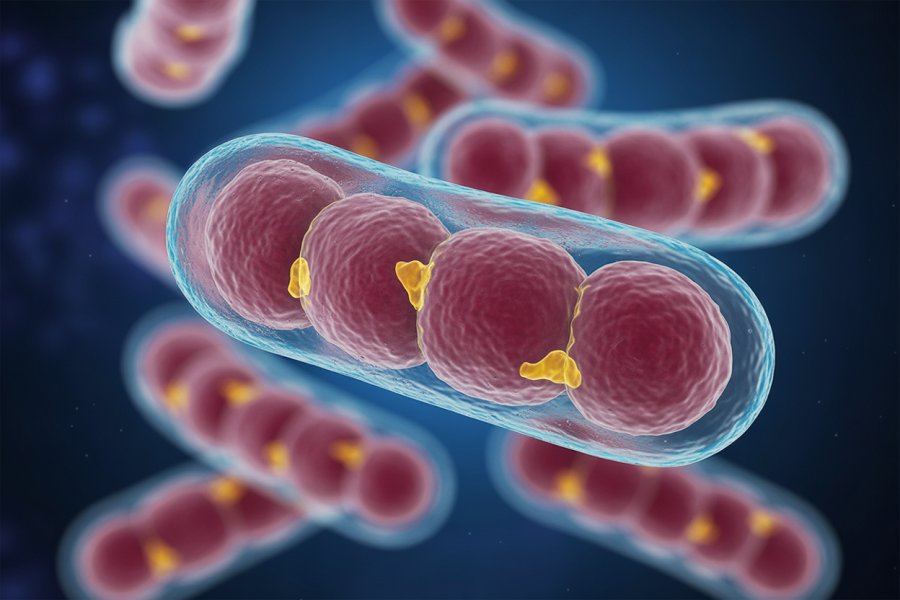
Probiotics are live microorganisms, primarily beneficial bacteria, that can support your digestive system when consumed in sufficient amounts. These tiny allies are often called “good bacteria” because of their role in maintaining a healthy gut environment. They naturally occur in fermented foods like yogurt, kefir, sauerkraut, and kimchi, or can be taken as dietary supplements. The main idea is that these microbes help keep your gut microbiome balanced, which is essential for smooth digestion and overall health.
When your gut’s microbial community is in good shape, it can efficiently break down food, absorb vital nutrients, and reduce discomforts such as bloating and irregular bowel movements. Probiotics act as reinforcements when this balance gets disturbed—by antibiotics, stress, or poor diet—helping to restore a diverse and resilient microbiome. This balance not only makes digestion easier but also supports your immune defenses, since a large part of your immune system resides in your gut.
Different strains of probiotics may target specific issues, like bloating, constipation, or immune support. Choosing the right type depends on your personal health goals, and incorporating probiotic-rich foods or supplements can be a flexible way to boost your gut health. While generally safe for most people, some might experience mild side effects initially, such as gas or bloating, especially when starting out. Those with compromised immune systems or serious health conditions should consult a healthcare provider before adding probiotics to their routine.
Understanding the scope of probiotics’ benefits is key. They help maintain microbial diversity, support digestion, and strengthen immune responses. This makes them a practical, accessible tool for everyday health, whether through natural foods or targeted supplements. As research advances, their role in overall wellness continues to grow, emphasizing the importance of a balanced gut microbiome in supporting long-term health.
Incorporating probiotics into your routine doesn’t require drastic changes. Simple additions like yogurt or fermented vegetables can make a meaningful difference. Consistency matters more than frequency—regular intake helps sustain a healthy microbial environment. Whether you prefer food sources or supplements, finding a routine that fits your lifestyle ensures you get the most benefit.
By supporting your gut in this way, probiotics contribute to a foundation of overall well-being. They work quietly behind the scenes, promoting better digestion, stronger immunity, and potentially even mental clarity. Recognizing their role and integrating them thoughtfully into your daily habits can lead to a happier, healthier gut—an essential step toward maintaining your overall health in today’s busy world.
Unlock the Benefits of Probiotics for Digestion and Immunity
Probiotics are best known for their ability to support a healthy balance of bacteria in your gut, which is vital for good digestion. When beneficial microbes are present in the right numbers, they help break down food more efficiently, making nutrients more accessible and reducing common discomforts like bloating, gas, and irregular bowel movements. By introducing helpful bacteria into your system, probiotics help outcompete harmful microbes that can cause digestive upset, fostering a more resilient and diverse microbiome.
One of the key benefits of taking probiotics is their role in restoring and maintaining microbial diversity, especially after disruptions caused by antibiotics, stress, or poor diet. These beneficial bacteria act as reinforcements, replenishing the gut with helpful microbes that support smoother digestion and prevent symptoms like diarrhea, constipation, or bloating. Over time, this can lead to a more stable and comfortable digestive rhythm, making daily life a bit easier.
Probiotics also play a significant role in regulating bowel movements. For many, irregularity can be frustrating—either feeling constipated or experiencing frequent diarrhea. Certain strains of probiotics promote more predictable, comfortable bowel habits by supporting proper gut motility and stool consistency. Regular use can help stabilize these patterns, reducing discomfort and fostering a sense of well-being that often accompanies a balanced digestive system.
In addition to easing immediate symptoms, probiotics can enhance nutrient absorption. When your gut bacteria are functioning optimally, they help unlock more vitamins and minerals from your food, which can boost your energy levels and overall health. This subtle but important effect shows how a healthy microbiome influences many aspects of well-being beyond just digestion, including immune support and metabolic health.
Beyond digestion, probiotics also bolster your immune system. A large part of your immune defenses resides in your gut, where beneficial bacteria help regulate immune responses and prevent harmful pathogens from establishing a foothold. Incorporating probiotics into your routine can strengthen this barrier, potentially reducing infections and inflammation. By supporting both digestion and immunity, probiotics serve as a valuable tool in maintaining long-term health.

Navigating the Limitations and Safety of Probiotic Use
While probiotics are generally considered safe for most people, it’s important to be aware of their limitations. Some individuals might experience mild side effects like gas, bloating, or stomach discomfort when they first start taking them. These reactions usually pass as the body adjusts, but for those with sensitive digestion, they can sometimes be more pronounced, which may require reducing the dose or temporarily pausing use.
The effectiveness of probiotics varies widely depending on the strains used, the dosage, and your unique gut microbiome. Not all probiotic strains deliver the same benefits, and what works well for one person might have little impact on another. This means finding the right probiotic often involves some trial and error, especially if you’re targeting specific issues such as bloating or irregularity. Consulting a healthcare professional can help tailor choices to your needs.
People with weakened immune systems or serious health conditions should exercise extra caution. Introducing live bacteria into their bodies might pose risks, like infections or complications. These groups should seek medical advice before starting probiotics to ensure safety. For healthy individuals, probiotics are usually safe, but vulnerable populations need to approach them carefully.
Another consideration is the storage and quality of probiotic products. Many require refrigeration to keep the bacteria alive until consumption. Exposure to heat, humidity, or improper handling can kill the beneficial microbes, reducing their effectiveness. Always follow storage instructions and choose reputable brands to ensure you’re getting a potent product.
Probiotics are not a substitute for medical treatment. They support gut health and immunity but shouldn’t replace antibiotics or other prescribed medications when needed. Instead, they work best as part of a comprehensive approach that includes a balanced diet, hydration, and healthy lifestyle habits.
It’s also worth noting that the response to probiotics can be unpredictable. Some may notice immediate benefits, while others see little change even after consistent use. Patience and consistency are key, but if you experience persistent discomfort or no improvement, it’s wise to reassess your routine with a healthcare provider.
Lastly, while probiotics can support long-term health, they are not a cure-all. They work best when integrated thoughtfully into your overall wellness plan. Understanding their limitations helps set realistic expectations and promotes responsible use, ensuring you get the most benefit while minimizing potential risks.
Practical Tips to Incorporate Probiotics into Your Daily Routine
Integrating probiotics into your daily routine is straightforward and can fit seamlessly into your lifestyle. Starting with probiotic-rich foods like yogurt, kefir, sauerkraut, or kimchi offers a natural and tasty way to support your gut health without much effort. These foods can be added easily to breakfast, salads, or snacks, making consistent consumption simple. Regular intake, even a few times a week, helps maintain a balanced microbial environment in your gut and supports ongoing digestive health.
For those who prefer supplements, selecting a reputable brand with strains aligned to your specific health goals is key. Look for products that clearly list the bacterial strains they contain and ensure proper storage instructions—many require refrigeration to keep the bacteria alive. Begin with a lower dose and gradually increase if tolerated well, allowing your body to adjust comfortably. This cautious approach can help minimize potential side effects like gas or bloating during the initial phase.
Pairing probiotics with a diet high in fiber significantly boosts their effectiveness. Fiber acts as fuel for beneficial bacteria, helping them thrive and perform their roles more efficiently. Incorporate a variety of fruits, vegetables, whole grains, and legumes into your meals to nourish existing microbes and create an environment conducive to new beneficial strains. This combination enhances the resilience of your gut microbiome and maximizes the benefits of probiotic intake over time.
Consistency is more important than frequency when it comes to probiotics. For general health, a few servings of probiotic-rich foods each week can be sufficient. During periods of digestive stress—such as after antibiotics, travel, or illness—daily supplements might offer more support. Paying attention to how your body responds and adjusting your routine accordingly ensures you get the most benefit without overdoing it. Sometimes, taking probiotics only when symptoms arise can be effective, but regularity usually yields better long-term results.
If you have underlying health conditions or a weakened immune system, consult a healthcare professional before adding probiotics. Live bacteria can pose risks for vulnerable individuals, and tailored advice can help you choose strains and dosages that are safe and effective. Proper guidance ensures you avoid unnecessary discomfort or complications while maximizing potential benefits. For healthy individuals, probiotics are generally safe, but professional input adds an extra layer of safety.
Proper storage of probiotic products is essential to preserve their potency. Many require refrigeration, and exposure to heat or humidity can kill the beneficial bacteria. Always follow the manufacturer’s instructions for storage and handling. Keeping your probiotics in a cool, dry place or refrigerated as recommended ensures you receive the full benefits each time you consume them. This simple step safeguards your investment and supports consistent, effective use.

Exploring Future Advances and Innovations in Probiotic Science
Advances in probiotic science are opening exciting new pathways for health support. Researchers are experimenting with innovative strains, including genetically engineered bacteria designed to target specific health issues more precisely. These developments aim to enhance the effectiveness of probiotics, especially for conditions that have proven resistant to traditional approaches. New delivery methods, like encapsulation techniques, are also emerging to protect beneficial bacteria as they navigate the harsh environment of the stomach, ensuring more live microbes reach the gut where they’re most needed. Such innovations promise more reliable results and a broader range of applications, both in clinical and everyday settings.
Personalized probiotics are gaining traction as a game-changer in the field. Instead of relying on one-size-fits-all formulations, future therapies could be tailored to an individual’s unique microbiome profile. By analyzing a person’s existing gut bacteria, scientists can craft custom probiotic blends that better match their needs. This targeted approach offers the potential for more significant benefits and reduces the guesswork involved in choosing the right strains. As this personalized method evolves, it could transform probiotics from general health aids into precise, effective tools for managing specific conditions.
Research is increasingly exploring how probiotics can work together with prebiotics and dietary strategies to support a healthy microbiome. This holistic approach recognizes that adding beneficial bacteria is only part of the picture; creating an environment where they can thrive is equally crucial. Future therapies might combine probiotics with targeted prebiotics or customized nutrition plans, fostering a resilient and diverse gut ecosystem. This integrated strategy could have far-reaching impacts, not just on digestion but also on mental health, metabolic regulation, and immune resilience.
The potential of probiotics extends beyond gut health, with ongoing studies investigating their roles in managing allergies, autoimmune disorders, and even mental health issues linked to the gut-brain axis. As research uncovers which strains are most effective for specific conditions, we’ll see more refined, evidence-based approaches. These advances aim to make probiotic use more precise, ensuring individuals get the right strains at the right doses for optimal results. Such progress signals a future where probiotics become integral to personalized medicine, supporting overall health and well-being.
Staying ahead in probiotic science means remaining informed about these emerging innovations. As new strains, delivery systems, and tailored therapies come into focus, the potential to reshape how we approach health grows rapidly. While many of these developments are still in early stages, their promise to enhance long-term wellness is clear. In the coming years, probiotic formulations will likely become more sophisticated, backed by rigorous research and clinical validation. This evolution could make probiotics a cornerstone of preventive health, helping us build resilience and support overall vitality well into the future.