Learning to ride a bike is a universal symbol of courage, independence, and resilience—yet, does the fear of falling overshadow the thrill of achievement? This heartfelt exploration reveals that falls and tumbles are not setbacks but essential steps in building confidence, trust, and life skills. From historical innovations to modern safety measures, the journey of teaching children to cycle reflects cultural values of patience and support, transforming a challenging milestone into a joyous rite of passage. Personal stories highlight the emotional bonds formed through shared perseverance, emphasizing that setbacks teach resilience and foster self-trust. As technology advances and communities create safer, more inclusive environments, the experience of learning to ride continues to evolve—making mastery not just achievable but an empowering adventure for every child. Could embracing falls be the secret to unlocking lasting independence and joy on two wheels?
Learning to Ride a Bike: A Milestone of Growth and Independence
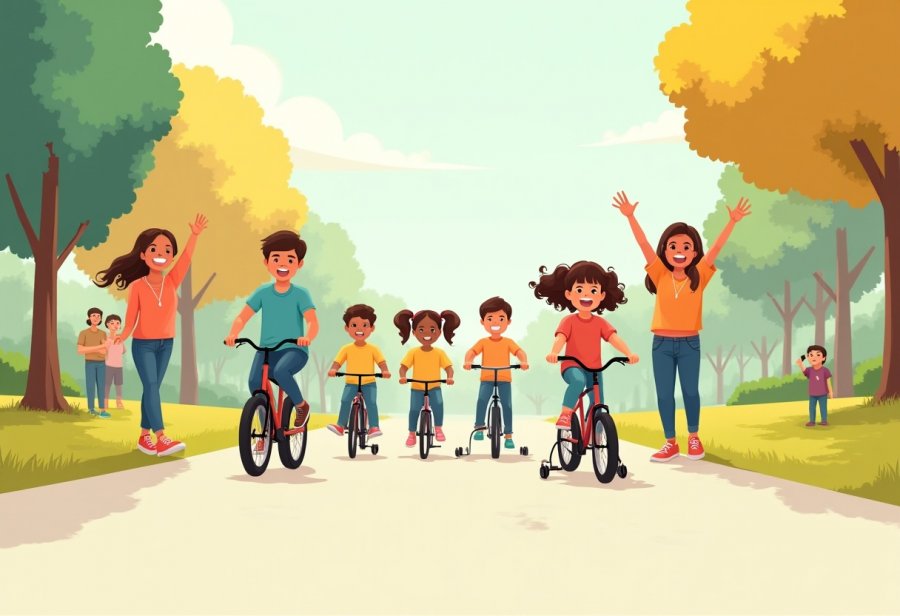
Learning to ride a bike is more than just a childhood skill; it’s a milestone that marks growth, independence, and confidence. For many kids, that first wobble on two wheels feels like stepping into a new world, where they start to see themselves as capable and brave. It’s a moment filled with excitement and nerves, as they discover the thrill of balancing and moving forward on their own. These tiny victories become powerful symbols of progress and self-trust.
This experience isn’t only about mastering physical coordination—it carries deep symbolic meaning. Learning to ride signifies taking a step into the unknown, testing limits, and embracing the possibility of failure as part of growth. Families often remember these moments vividly: the gentle guiding hand, the encouraging words, and the joy when a child finally pedals unaided. These shared experiences build bonds rooted in patience, trust, and support, creating memories that last a lifetime.
Beyond its emotional significance, riding a bike fosters essential developmental skills. It builds motor coordination, balance, and physical confidence, while also teaching resilience. Falling isn’t seen as a setback but as a natural part of learning—each tumble offering a lesson in perseverance. The confidence gained from overcoming these challenges extends beyond the bike, shaping how children approach other obstacles with courage and determination.
The act of learning to ride is also a rite of passage that symbolizes growing independence. As children master their bikes, they gain a sense of freedom—exploring the world around them with new enthusiasm. This newfound autonomy nurtures their self-esteem and encourages them to face future challenges with a positive mindset. The journey from cautious wobbling to confident riding exemplifies the broader process of growing up: trusting oneself and embracing new experiences.
Throughout history and across cultures, teaching kids to ride has been a universal tradition. Methods may vary—from holding onto the seat to using training wheels—but the core message remains the same: it’s about trust, patience, and the courage to keep trying. Even with today’s advanced equipment and techniques, the essence of this milestone endures. Each wobble, fall, and small victory reflects a story of resilience, making learning to ride a timeless symbol of childhood growth and independence.
Tracing the Roots: The Evolution of Learning to Ride
The story of learning to ride a bike stretches back over a century, closely tied to the evolution of bicycles themselves. The earliest models, known as velocipedes, appeared in the late 1800s. These bikes were bulky and heavy, making them quite different from the lightweight, balanced machines we see today. As engineering advanced, safer designs like the high-wheel bikes popped up, but it wasn’t until the invention of the modern safety bicycle in the early 20th century that cycling truly became a childhood milestone. With two wheels of equal size and a chain drive, these bikes made riding more accessible, reliable, and less intimidating for kids.
Traditionally, teaching children to ride involved simple, practical methods passed down through generations. Parents or grandparents would hold onto the bike or guide it as the child pedaled, gradually reducing support as confidence grew. The addition of training wheels brought a new sense of stability, allowing kids to focus on steering and balancing without the fear of falling. These techniques weren’t just about mastering a skill—they carried cultural significance, symbolizing independence and trust, marking the transition from childhood innocence to self-reliance.
Over time, teaching methods continued to evolve. Today’s lightweight frames and adjustable training wheels help reduce physical and emotional barriers, making the process less daunting. Balance bikes, which lack pedals, are increasingly popular because they focus solely on developing natural balance before pedaling. These innovations reflect a shift toward fostering independence, allowing children to progress at their own pace while enjoying the journey rather than fearing falls. Despite technological changes, the core idea remains: learning to ride is about building confidence through patience and support.
Society’s view of cycling as a symbol of childhood freedom has shaped how we teach kids to ride. Communities worldwide have worked to create bike-friendly spaces—parks, dedicated lanes, and safe streets—where children can practice without the constant worry of traffic. These environments turn riding from a risky activity into an exciting adventure, reinforcing the idea that cycling is a natural part of growing up. As urban planning prioritizes safe cycling infrastructure, learning to ride becomes more accessible and enjoyable for all children.
The fundamentals of teaching children to ride have remained consistent—holding onto the bike, using training wheels, and then riding independently. What’s changed is the emphasis on patience, positive reinforcement, and creating enjoyable experiences. These enduring principles remind us that every wobble or fall is part of the learning process, not a failure. Today’s tools and techniques simply make that process smoother and more encouraging, helping children develop resilience and a love for riding that can last a lifetime.
Throughout history, learning to ride has stood as a universal symbol of growth, independence, and resilience. It’s a rite of passage that connects generations, reflecting both technological progress and timeless values. As new innovations and safer environments continue to emerge, the core message remains the same: falling is an essential step toward mastery, teaching kids that setbacks are just part of the journey to confidence and freedom on two wheels.
Modern Approaches: Embracing Safety and Confidence in Today’s Cycling Lessons
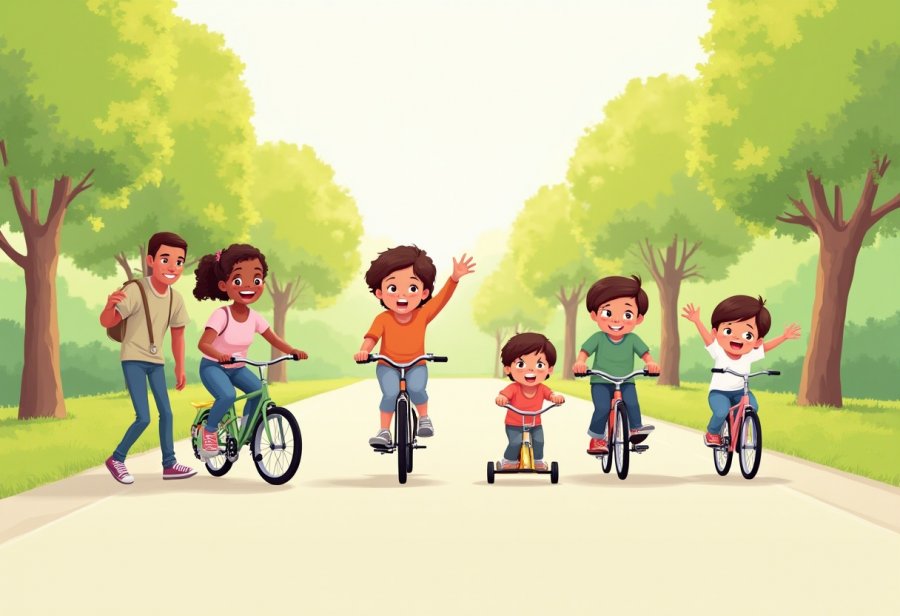
Today, learning to ride a bike is a more positive and encouraging experience than ever before. Modern methods emphasize safety, patience, and boosting confidence from the very first attempt. Balance bikes, which skip pedals altogether, have become a popular choice because they help kids develop natural balance and coordination before they graduate to pedal bikes. Many children transition smoothly from these bikes, often without needing training wheels, because they’ve already learned how to balance instinctively. This approach makes the entire process feel more intuitive and less intimidating.
Parents and instructors now focus heavily on encouragement and celebrating small victories. Whether it’s pedaling a few extra strokes or balancing a little longer, praise helps kids associate riding with fun rather than fear. Wearing protective gear like helmets and pads has become standard practice, offering kids a sense of security that encourages them to practice more freely. These safety measures are essential—they help reduce anxiety about falls and injuries, which in turn motivates children to keep trying.
Despite these advances, the core challenge remains unchanged: helping children trust their abilities. Support techniques like guiding the bike or holding onto the seat are still common, but there’s now a stronger emphasis on letting kids learn at their own pace. Creating safe, accessible spaces such as parks and dedicated bike lanes makes it easier for children to practice without constant worry about traffic. These environments foster independence and make cycling feel like a natural part of childhood exploration.
The shift in attitude aligns with broader childhood development goals. Learning to ride isn’t just about pedaling; it’s about fostering resilience, independence, and outdoor activity. Parents, teachers, and community programs recognize that a patient, pressure-free approach helps develop lifelong love for cycling. When children are supported and encouraged, they’re more likely to develop confidence and see riding as a joyful activity rather than a daunting task.
Innovations in lightweight bikes, adjustable training wheels, and advanced safety gear have lowered barriers and boosted confidence even further. These tools make learning less frustrating and more rewarding, reinforcing that every child can succeed with the right support. Setbacks like tumbles or wobbles are now viewed as natural parts of the process, not failures. This mindset helps children develop resilience that extends beyond riding, building character and perseverance.
Community efforts also play a crucial role in shaping modern learning experiences. Local governments and organizations create bike-friendly spaces—parks, safe streets, and dedicated lanes—that enable children to practice without fear. When children see cycling as fun and accessible, it becomes a natural part of their routine, encouraging a positive attitude that can last a lifetime. These supportive environments turn what once was a challenge into an inviting adventure.
Looking ahead, technology and infrastructure will continue to make learning to ride easier and safer. Smart bikes with sensors can provide real-time feedback, helping kids improve their balance and technique without frustration. Virtual reality simulations are emerging as a safe way to practice riding in a controlled environment, easing fears before children hit the pavement. As cities develop more bike-friendly spaces, children will have even more opportunities to explore and enjoy cycling, turning this childhood milestone into an even more accessible and joyful experience.
Heartwarming Tales: Personal Stories of Triumph and Resilience
Many parents and kids have memorable stories about the journey to mastering the bike. One stands out: a young girl who was terrified of falling. She clung tightly to her dad’s hand, wobbling along as her legs tried to find their rhythm. Week after week, with gentle encouragement and small celebrations—like pedaling a few yards without help—her confidence grew. The day she finally pedaled alone across the driveway, her face lit up with pride, showed everyone that perseverance pays off.
Another common tale involves a boy who kept struggling with balance. No matter how many tumbles he took, he refused to give up. Each fall seemed to strengthen his resolve, and his family cheered him on every step of the way. One afternoon, after many attempts, he found his rhythm and confidently rode down the street, his smile wide and triumphant. These stories remind us that setbacks are part of the process, and with support, children turn frustration into a moment of victory.
Family bonding often shines through in these experiences. Parents remember holding the bike steady while their child wobbled and fell, offering words of comfort and reassurance. Those small acts of patience—whether it’s steadying a wobbling bike or sharing a high five after a win—become treasured memories. Watching a child wobble, fall, and then get back up teaches resilience and trust. These shared moments become stories worth retelling, symbolizing growth, love, and the power of perseverance.
Seeing kids learn to ride in real life is inspiring. Initially hesitant and uncertain, they gradually start balancing and pedaling with more confidence. Every tumble becomes a lesson, every wobble a step closer to mastery. The joy lies not just in the riding itself but in the progress—each small victory building their confidence. These moments of overcoming fear—sometimes with tears, sometimes with giggles—highlight how persistence turns a daunting challenge into an empowering achievement.
Different children respond uniquely to the learning process. Some thrive with balance bikes that focus solely on balance before pedaling, while others benefit from supportive guiding hands or training wheels. No matter the method, patience remains key. The support from family and community creates a safe space where kids feel free to experiment and gradually gain independence. These stories emphasize that no matter how many falls happen, every attempt is a step toward confidence and joy on two wheels.
Ultimately, these personal stories show that learning to ride is about more than just mastering a skill—it’s about resilience, trust, and shared love. The tumbles and triumphs help children develop confidence that extends beyond the bike, shaping their attitude toward challenges in all areas of life. These moments of perseverance and celebration turn a simple milestone into lifelong memories, reinforcing that falling is just part of the journey to independence and joy.
Gazing Forward: Innovations and the Future of Learning to Ride
Looking ahead, the way children learn to ride bikes is poised to become even more engaging and accessible through emerging innovations. Smart bikes equipped with sensors can now monitor balance and pedaling, offering immediate feedback that helps kids develop proper techniques more naturally. Virtual reality environments are also gaining traction, allowing children to practice riding in a safe, controlled space before stepping onto actual streets. These tools reduce fear and frustration, making the learning process smoother and more enjoyable for hesitant riders.
Cities and communities are increasingly designing infrastructure that supports young cyclists. Protected bike lanes, dedicated parks, and traffic-calmed streets create safe spaces where kids can practice without the constant worry of traffic hazards. These environments turn cycling from a risky activity into an inviting adventure, encouraging more children to hop on a bike and explore. As urban planning prioritizes bike-friendly spaces, learning to ride becomes more than a milestone—it’s a natural part of childhood that promotes independence and outdoor activity.
Advances in safety gear also play a vital role in shaping the future of learning to ride. Lightweight helmets and pads with improved comfort and protection boost kids’ confidence to practice more frequently. When safety equipment feels less cumbersome, children are more likely to wear it consistently, reducing anxiety about falls and injuries. This shift allows them to focus on the joy of riding and building skills without unnecessary worry, fostering a positive association with cycling from an early age.
Educational programs are evolving alongside these technological and infrastructural changes. Schools and community groups now offer cycling classes that emphasize not just the mechanics but also traffic safety, environmental awareness, and responsible riding. These lessons aim to cultivate confident, conscientious cyclists who see biking as a sustainable and enjoyable activity. As these initiatives expand, they reinforce cycling as an accessible, lifelong habit, deeply woven into childhood development.
Digital tools continue to enhance learning experiences. Connected GPS devices and ride-tracking apps enable parents to monitor routes and set safe boundaries, gradually granting children more independence. Such technology fosters trust and autonomy while maintaining oversight, making children more comfortable exploring their surroundings. As these tools become more sophisticated and user-friendly, they will help nurture confident, responsible riders who see cycling as a reliable means of transportation and recreation.
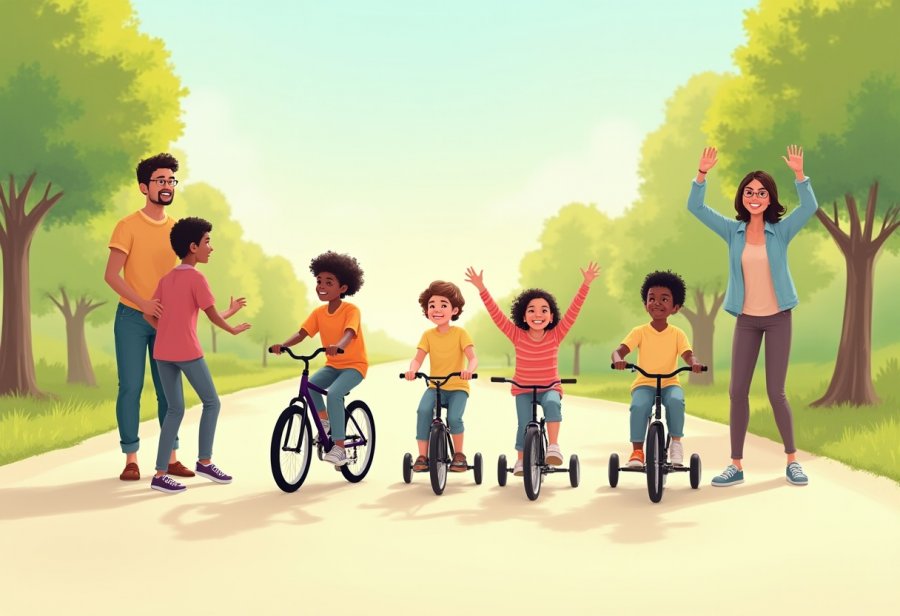
The future also holds promise for more inclusive and adaptive approaches. Innovations in bike design can accommodate children with diverse needs, ensuring that cycling mastery is accessible to all. Programs aimed at overcoming physical or developmental barriers will emphasize patience, support, and fun, transforming the learning journey into an empowering experience for every child. This inclusivity reinforces cycling’s universal appeal as a symbol of growth and resilience.
In essence, the evolution of learning to ride is about transforming challenges into opportunities. As technology, community efforts, and safety measures advance, the barriers that once made cycling intimidating are steadily falling away. The focus shifts toward creating environments where every child can experience the thrill of independence, the joy of overcoming fears, and the pride of mastering a skill that lasts a lifetime. Riding a bike isn’t just a childhood milestone; it’s a foundation for confidence, resilience, and adventure that continues to grow with each new innovation.