Imagine transforming your deepest water fears into newfound confidence at any age—sounds like a daunting journey, but what if taking that first courageous step is the key to liberation? ‘How to overcome fear and confidently learn to swim at any age’ explores the powerful idea that swimming isn’t just a skill, but a gateway to safety, independence, and joy. This guide reveals how adults can address childhood anxieties, navigate water-related hesitations, and develop trust step-by-step, often starting with small, manageable actions. With the support of accessible programs, technological innovations, and real-life success stories, learning to swim becomes an achievable adventure. From family safety to personal health and social connection, the practical benefits are profound. Are you ready to turn water from a source of fear into a space of freedom? Discover how patience, persistence, and gentle progress can make waves in your life—because it’s never too late to dive in.
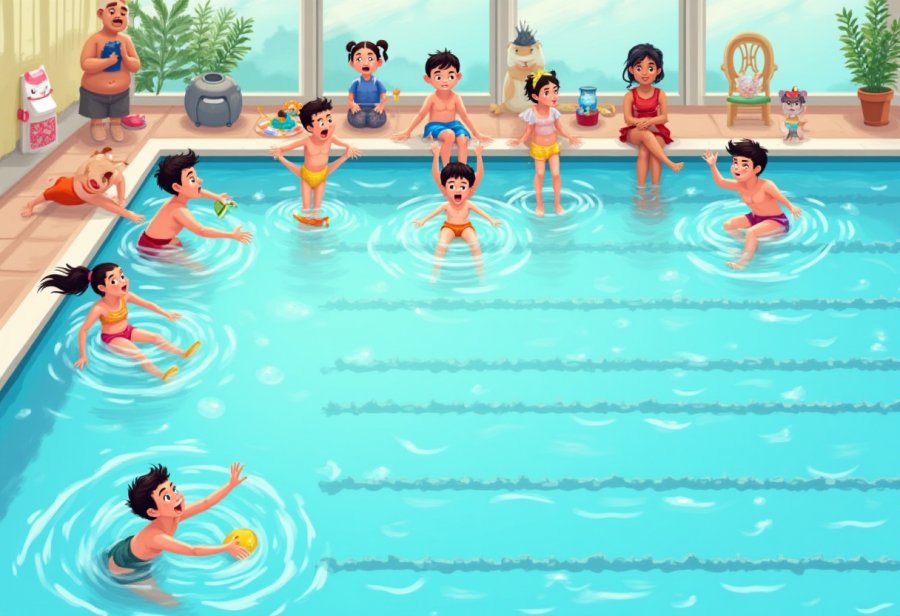
Transform Your Life by Overcoming Water Fears at Any Age
Learning to swim isn’t just about picking up a new skill; it can be a truly life-changing experience at any age. For many adults, the water can feel intimidating or even frightening, often rooted in childhood memories or unfamiliarity with aquatic environments. Facing that fear and taking the plunge can seem daunting, but it’s also incredibly empowering. The act of stepping into the water for the first time—whether it’s just dipping a toe or jumping in with confidence—opens the door to a sense of freedom and self-trust that stays with you long after.
This journey isn’t limited by age or experience. Whether you’re a young adult looking to improve your fitness, a parent wanting to keep your children safe, or someone who avoided water for years, overcoming water-related fears is within reach. It’s about more than just technical ability—learning to swim helps break down mental barriers, fostering resilience and a growth mindset. Every small victory, like splashing in shallow water or floating on your back, builds confidence and makes the next step easier.
Many people wonder if they’re too old or too afraid to learn. The truth is, there’s no “right” age to start. The water’s natural resistance and calming presence can be surprisingly welcoming once you approach it with patience. Taking small, manageable steps—like sitting near the pool, practicing breathing exercises, or wading into shallow water—can help you develop trust in your body and the environment. These initial moments may seem simple, but they lay the foundation for more confident, enjoyable swimming experiences.
Recognizing that water fear is a common, natural response is key. Many adults share feelings of hesitation or dread, often stemming from childhood mishaps or negative stories. Understanding where your anxiety originates allows you to approach it with compassion and patience. Gradually exposing yourself to water on your own terms—starting with sitting poolside or splashing water on your face—can create positive associations and help you regain control. Over time, these small steps transform water from a source of fear into a space of joy.
Learning to swim at any age is a journey of self-discovery and growth. It’s about celebrating each small victory—whether floating for a few seconds or taking a deep breath—that builds trust and reduces anxiety. With support from experienced instructors and a safe environment, water becomes a place of freedom rather than fear. Every step forward not only enhances your skills but also reconnects you with a sense of confidence that can ripple into all areas of life.
Uncover the Roots of Water Anxiety and How to Conquer It
Many adults who feel uneasy around water can trace their fears back to early experiences or a lack of familiarity with aquatic environments. Childhood mishaps, even minor ones, can leave a lasting impression, making the idea of swimming seem intimidating years later. Stories from friends or family about dangerous incidents only amplify these fears, creating mental barriers that are hard to break down. Recognizing the roots of water anxiety helps in approaching it with compassion and patience rather than frustration.
Addressing water fears begins with understanding that these feelings are common and manageable. Instead of dismissing or ignoring them, see them as natural responses that can be eased through gentle effort. Learning about water safety and how water behaves can significantly reduce the sense of unpredictability. When you understand basic concepts like floating, breathing techniques, or how to stay relaxed, water feels less like an unknown threat and more like a controllable environment.
Gradual exposure plays a key role in diminishing water anxiety. Starting small—sitting poolside, splashing water on your face, or wading into shallow areas—helps create positive associations with water. These small steps might seem simple, but they build trust in your body and the environment. As confidence grows, you can progress to floating or swimming short distances, always at a pace that feels right for you. This slow approach allows your mind and body to adapt, reducing panic and increasing comfort.
Challenging negative thoughts is equally important. Beliefs like “I’ll sink,” “I’ll panic,” or “I’m too old for this” often stem from emotional reactions rather than facts. Replacing them with positive affirmations and realistic expectations encourages resilience. Most adults who face their fears do so with patience and persistence, gradually changing their emotional response. Seeing water as a safe space rather than a danger helps reshape perceptions over time.
Building water confidence isn’t an overnight process. It’s about celebrating small victories—like dipping your face in or floating briefly—that gradually build trust. Support from qualified instructors and a safe environment are crucial, guiding you gently through each step. With consistent effort, these small successes accumulate, turning water from a source of anxiety into a place of comfort and joy.
Remember, water fears are natural, and they can be addressed effectively with understanding and gentle practice. The goal isn’t immediate mastery but making steady progress on your own terms. Over time, water transforms from an obstacle into an empowering space where confidence can flourish. Recognizing and respecting your feelings while taking intentional, gradual steps creates a foundation for a lifelong positive relationship with water.
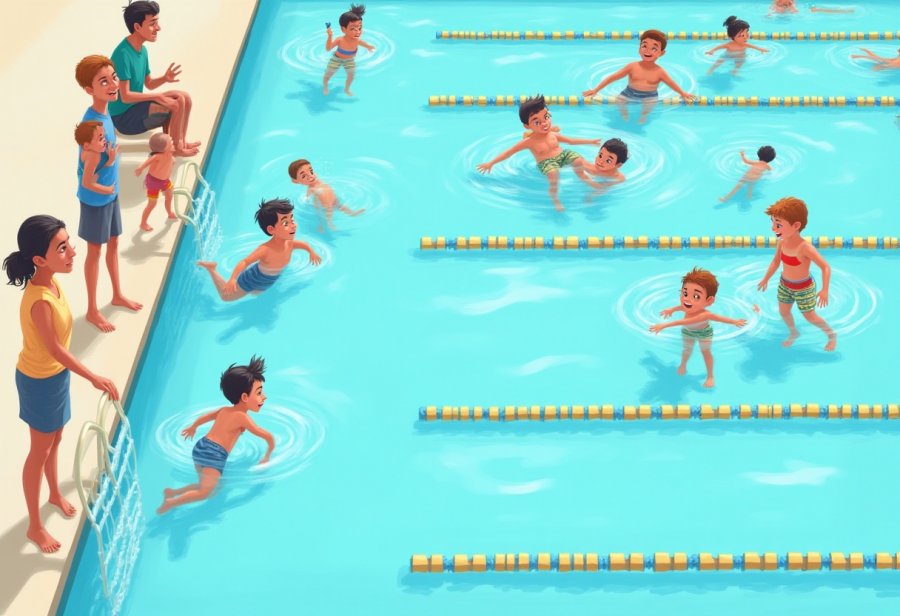
Navigating the Current Landscape of Swimming Education and Safety
Today’s landscape for learning to swim is more diverse and accessible than ever before. Public pools, private swim schools, and community programs now offer a wide range of options tailored to different age groups and skill levels. These facilities make it easier for people to find a supportive environment that matches their needs, whether they’re children taking their first lessons or adults overcoming water fears. Many programs emphasize gradual progress, helping learners build confidence step-by-step through safe, encouraging instruction.
Advances in technology have expanded opportunities for beginners. Online tutorials, instructional videos, and virtual coaching now allow people to familiarize themselves with basic techniques at their own pace. Wearable devices that monitor breathing and track progress make practicing more engaging and personalized. These tools are reshaping traditional learning, making water confidence more attainable for those with busy schedules or limited local options.
Despite these improvements, gaps still exist. Access to quality swimming instruction isn’t universal, especially in underserved communities where pools and trained instructors can be scarce or costly. This limits many individuals’ chances to develop essential water safety skills, increasing risks in water-related situations. Raising awareness and developing inclusive, affordable programs are crucial to bridging these divides and ensuring everyone has the opportunity to learn.
The variety of approaches today means learners can choose methods that suit their personality and circumstances. Group classes at community centers provide a low-cost, social way to start, while private lessons offer personalized guidance for those who need extra support. Online resources can supplement in-person training, providing flexibility and convenience. Each option helps make water skills accessible and encourages a positive, pressure-free learning experience.
Innovations like virtual reality simulations and gamified apps are making learning more engaging. Beginners can experience water environments virtually, easing anxiety before entering a pool, while interactive apps turn practice into fun challenges. These technologies help demystify water and foster safety and comfort, especially for those who feel overwhelmed or hesitant. With more resources and support than ever, starting your water confidence journey today is easier and more inviting than ever before.
Smart Budgeting for Your Water Confidence Journey
Learning to swim involves some costs, but understanding what to expect can make budgeting easier and less stressful. The biggest expense is usually the lessons themselves, which can vary widely depending on your location, the type of instruction, and the instructor’s experience. Group classes at community pools tend to be more affordable and are a great way to get started, especially if you’re new to water. Private lessons, while more personalized and often faster in progress, come at a higher price. Comparing local options helps you find the best fit for your budget and learning style.
Beyond lessons, equipment costs are minimal but important. Basic gear like goggles, swim caps, or flotation devices can enhance comfort and safety during practice. Many pools provide or rent equipment, which can help keep initial expenses down. Checking if your facility offers memberships or pay-per-visit options can also help manage costs and give you flexibility as you begin your water confidence journey.
Thinking about water safety and swimming skills as an investment makes sense. These skills can prevent accidents, especially in unexpected situations, and provide a sense of independence. Swimming also offers long-term health benefits—improved cardiovascular health, strength, and flexibility—that can reduce healthcare costs over time. When you weigh these benefits against the upfront costs, the value of learning to swim becomes clear.
If budget constraints are a concern, there are plenty of affordable or even free resources available. Many community programs, nonprofits, and local initiatives offer low-cost or free introductory lessons, especially in underserved areas. Online tutorials, instructional videos, and mobile apps can supplement in-person instruction, allowing you to practice fundamentals at your own pace without breaking the bank. Starting small and gradually investing more as you progress helps keep expenses manageable.
Remember, the money spent on learning to swim is an investment in your safety, health, and confidence. The skills you gain open doors to new recreational activities, travel adventures, and social connections that can enrich your life. Whether through group classes, private lessons, or self-guided practice, each step brings you closer to water confidence and lifelong enjoyment.
The costs are a small price for the peace of mind and freedom that come with being comfortable in the water. It’s about creating a foundation that supports safe swimming habits and opens up opportunities for fun and fitness. Over time, these investments pay off in increased independence and a greater sense of security around water.
Ultimately, taking the time to plan your budget and explore different options ensures that learning to swim remains accessible and sustainable. It’s an achievable goal for most, no matter your financial situation. With patience and smart choices, the financial aspect should never hold you back from experiencing the confidence and joy that come with mastering this vital life skill.
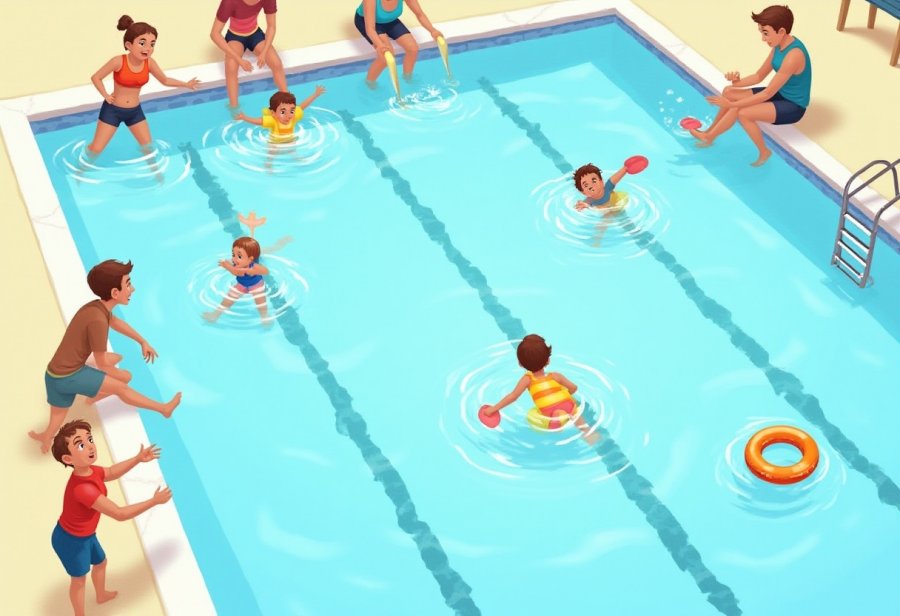
Real-Life Stories of Confidence, Safety, and Water-Driven Transformation
Learning to swim can dramatically change how you handle everyday water situations and boost your confidence in ways you might not expect. Take Sarah, for example. She decided to learn in her 50s after years of avoiding pools and lakes. Now, she spends weekends at the lake with her family, supervising her kids and even joining in water activities without hesitation. Her story highlights how gaining water skills can lead to greater independence and ease in water-related outings.
Having basic water confidence also enhances safety in daily routines. Whether it’s watching over children at the pool, preventing panic during unexpected incidents, or simply enjoying a beach vacation, feeling comfortable in the water makes a real difference. When you’re confident, you’re less likely to panic if something goes wrong, turning what could be a dangerous situation into a manageable one. This sense of calm can be a lifesaver in emergency moments.
Beyond safety, learning to swim supports a healthier lifestyle. Many adults find that swimming becomes a regular part of their fitness routine. It’s a low-impact activity that helps build strength, improve cardiovascular health, and increase flexibility. For Mark, who started swimming later in life, regular laps have boosted his energy and reduced stiffness, positively impacting his overall well-being. These benefits extend far beyond the pool, enriching everyday life with more vitality and resilience.
Water confidence also opens the door to social connections. Families and friends often bond over shared water activities, from casual pool days to group classes or local swim clubs. Overcoming fears and developing skills together creates a sense of achievement and camaraderie. Many adults find that their journey into water confidence introduces them to new communities, expanding their social circles in ways they never anticipated.
Stories of personal growth show just how transformative learning to swim can be. Maria, a busy professional in her 40s, faced her water anxieties with patience and small steps. Today, she participates in open water swims and feels proud of her progress. Her experience inspires others to see that it’s never too late to turn water fears into confidence. Celebrating each small victory, like floating or swimming a few strokes, helps reinforce that water can be a space of joy rather than danger. Each achievement builds trust, making water a source of freedom and fun for life.