Mastering the art of walking calmly with your dog transforms your bond and enhances everyday life—are you ready to unlock this peaceful, mutually rewarding connection? This comprehensive guide reveals that calm walks aren’t just about good manners but about building trust, communication, and teamwork. From understanding the fundamentals of leash training to managing distractions and excitement, you’ll discover how patience, consistency, and the right tools can turn chaotic outings into serene moments of connection. Learn to create routines that foster calmness, with strategies for overcoming common challenges like pulling or lunging. The journey involves mindful preparation, gentle redirection, and reinforcing positive behavior, ultimately making every walk a shared experience of trust and harmony. Are you prepared to turn routine walks into peaceful bonding moments that strengthen your relationship with your furry friend?
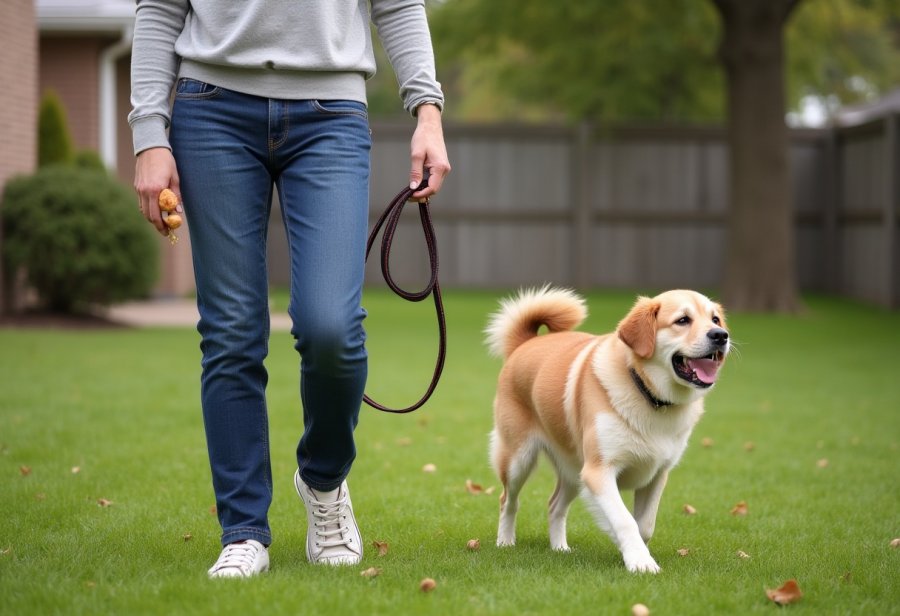
Unlock the Secret to Peaceful Dog Walks and Stronger Bonds
Walking peacefully with your dog might seem simple, but it’s the foundation of a strong bond and better behavior. When your dog walks calmly by your side, it’s more than good manners—it’s a sign of clear communication and trust. A relaxed walk reduces stress for both of you, whether you’re in a quiet neighborhood or a busy park. It also prevents frustrations caused by pulling, lunging, or distractions turning a routine outing into a challenge.
Achieving this calmness isn’t about control alone; it’s about building trust and mutual respect. When your dog feels safe and confident in your leadership, they’re more likely to stay focused and relaxed. This creates a positive cycle where calm walks become enjoyable shared experiences rather than chores. Every outing is an opportunity to reinforce good habits, helping your dog understand that staying attentive and relaxed benefits both of you.
Patience and consistency are key. It takes time to teach your dog that calmness is rewarding, but with steady effort, peaceful, mutually rewarding walks can become the norm. Approaching each walk with a calm attitude encourages your dog to mirror that energy, deepening your connection and transforming routine outings into moments of trust and understanding. In the end, a calm walk isn’t just about manners—it’s a way to nurture a happier, more harmonious relationship.
Master the Fundamentals for Calm and Enjoyable Walks
Understanding the basics of dog walking is essential for turning chaotic outings into calm, enjoyable experiences. It all starts with recognizing that dogs communicate a lot through their body language and energy levels. When your dog pulls on the leash or lunges, they’re often reacting to excitement, boredom, or overstimulation. Knowing why these behaviors happen helps you respond thoughtfully rather than reacting in frustration. A good leash isn’t just a tool; it’s part of setting clear boundaries and giving your dog a sense of security.
Clear communication is vital. Teaching your dog simple cues like “focus,” “heel,” or “let’s go” creates a shared language that builds trust. Consistency is key—using the same commands and routines helps your dog understand what’s expected and reduces confusion. Positive reinforcement, such as treats or praise, encourages good behavior and fosters a desire to cooperate. Patience is crucial; dogs need time to process and learn new routines. Rushing or punishing only damages your bond and slows progress.
Modern training favors gentle, reward-based methods over dominance techniques. Clicker training and redirection focus on guiding your dog calmly, respecting canine psychology. Your energy influences your dog’s mood, so staying calm and confident helps them mirror that relaxed attitude. Every walk is an opportunity to reinforce these principles, laying a foundation for future calmness and trust.
By understanding these basic principles, you set the stage for successful leash manners and a stronger bond. When your dog knows what to expect and feels secure, they’re more likely to stay focused and relaxed during outings. This approach makes walks safer, more enjoyable, and less stressful for both of you, paving the way for a deeper connection you’re eager to build.
Deep Dive: Techniques and Mindset for Calm Dog Walking
Achieving calmness during walks starts with your mindset. Before stepping outside, pause to set a clear, relaxed intention. Approach each outing with patience and confidence—dogs are highly perceptive to your energy. When you’re calm and steady, your dog naturally mirrors that tranquility, making it easier to stay focused and relaxed. Practicing focus exercises beforehand, like having your dog sit calmly or making eye contact, primes them to be attentive once you start moving.
Distractions are inevitable, especially when sights, sounds, or smells excite your dog. To manage this, practice redirection techniques—using treats or cues like “look at me” to regain their attention. Consistent training and patience help your dog understand that staying focused and relaxed is more rewarding than reacting to stimuli. Remember, progress takes time, and setbacks are normal. Staying calm in these moments teaches your dog that there’s no need to panic, reinforcing relaxed behavior.
The tools you choose matter too. Gentle harnesses or head collars that distribute pressure evenly can prevent discomfort and reduce pulling, making walks smoother. Combine these with your composed approach, avoiding harsh corrections or jerks. Reinforcing calm behavior with treats or praise helps your dog associate relaxation with positive outcomes. Over time, this blend of mindset, technique, and equipment creates an environment where calmness becomes the default, turning walks into peaceful bonding moments.
Mindfulness during walks enhances this process. Pay attention to your body language—move smoothly, speak softly, and avoid hurried gestures. Dogs are sensitive to tension, and your calm demeanor reassures them that they’re in a safe space. Incorporating pauses for praise or gentle cues reinforces that calmness is the goal, transforming each outing into a shared experience of trust.
Consistency is key. Repeating these strategies daily helps your dog internalize calmness as their natural response. Short, frequent sessions focused on focus, patience, and gentle redirection gradually build their ability to stay relaxed amid distractions. Remember, teaching calmness is a journey that rewards patience and persistence. With steady practice and a calm attitude, your dog will learn that peaceful, focused walks are both safe and rewarding, strengthening your bond every step of the way.
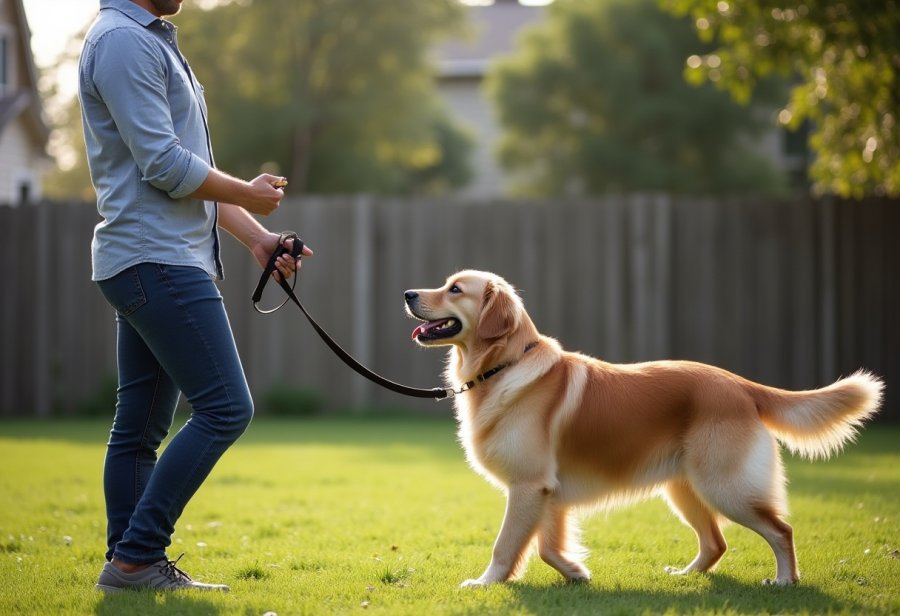
Practical Tips to Establish Your Calm Walking Routine
To make calm walking a regular part of your routine, consistency is essential. Start by establishing a set schedule for daily walks, so your dog begins to anticipate and settle into the routine. Keep initial sessions short—around five to ten minutes—and gradually increase the duration as your dog gains confidence. This slow progression helps reinforce good habits without overwhelming them, building trust and focus over time.
Before heading out, take a few moments to center yourself. Use a relaxed voice, breathe deeply, and move with purpose to set a calm tone. Prepare your leash, treats, and harness beforehand, reducing distractions once outside. When you step out, walk steadily with clear commands, rewarding your dog immediately when they respond calmly and attentively. Consistent praise reinforces that calm behavior is both rewarding and expected.
During the walk, stay attentive to your dog’s cues. If they pull or become distracted, pause briefly and gently redirect their attention with treats or a simple cue like “focus.” Avoid harsh corrections or pulling, which can create resistance or anxiety. Instead, guide gently, rewarding calmness and focus, which teaches your dog that staying close and relaxed is more rewarding than pulling ahead.
Vary your environments gradually, starting in quiet, familiar areas and progressing to busier settings as your dog improves. This exposure helps them generalize calm behavior across different situations. Remember, patience and persistence are key—progress may be slow at first, but every small success builds your dog’s confidence.
Use the right equipment, like well-fitted harnesses or head collars, to support your training. These tools help control pulling without discomfort, making it easier for your dog to stay beside you. Pair them with your calm, confident approach, reinforcing that controlled, peaceful walking is both safe and rewarding.
Finally, remain flexible and attentive. Some days will go more smoothly than others, and that’s normal. Adapt routines as needed, keeping a positive attitude. Steady, gentle practice will help your dog learn that calm walks are enjoyable and worth their focus, transforming each outing into a peaceful, bonding experience.
Investing Wisely: Costs and Values of Calm Dog Training
Training a dog to walk calmly involves both time and financial investment, but understanding these costs helps you plan effectively. Basic equipment like a quality leash, harness, and treats for reinforcement are relatively affordable, generally totaling between $20 and $50. If you choose specialized gear such as no-pull harnesses or head collars, prices can range from $15 to $40, offering better control and comfort during walks.
Professional training classes can vary widely in cost, from group sessions around $100 to private coaching that may exceed $300. While these expenses might seem significant upfront, they often lead to quicker, more reliable results, saving you frustration and potential costs down the line. Investing in good tools and expert guidance streamlines the training process and reduces setbacks, making your efforts more effective.
Ongoing supplies like treats, toys, and replacement equipment should also be part of your budget. Though these are recurring expenses, they’re essential for reinforcing progress and maintaining good habits. Think of these costs as investments in your dog’s happiness and your peace of mind, helping to establish a calm, cooperative walking routine.
The long-term benefits far outweigh the initial costs. A well-trained dog that walks calmly reduces risks such as accidents or property damage, which could otherwise lead to expensive repairs or professional interventions. The upfront spending on quality gear and training creates a foundation for years of enjoyable, stress-free outings.
Many local shelters and nonprofit groups offer affordable or even free training programs aimed at improving pet behavior. Online tutorials, community classes, and support groups provide accessible resources that can supplement your efforts without breaking the bank. These options make consistent training more manageable and motivate ongoing progress.
Viewing training as an investment rather than just an expense shifts your perspective. The money spent now on essential tools and professional advice sets the stage for a lifetime of peaceful walks. The enhanced bond, improved safety, and reduced stress make it a smart choice for any dog owner committed to nurturing a calm, well-behaved pet.
Step-by-Step Implementation for Consistent Calm Walks
To successfully implement a calm walking routine, consistency is key. Establish a daily schedule that your dog can anticipate, helping them settle into a predictable rhythm. Start with short walks of five to ten minutes, especially in the beginning, then gradually extend the duration as your dog gains confidence and focus. Regular, brief sessions reinforce good habits without overwhelming your pet, laying a strong foundation for calm behavior over time.
Before heading out, take a moment to center yourself. Use a relaxed tone of voice, breathe deeply, and move with purpose to set a peaceful tone. Prepare your equipment—leash, treats, and harness—so everything is ready, minimizing distractions once outside. When you step out, walk steadily, give clear commands, and immediately reward your dog for calm, attentive behavior to reinforce expectations.
During the walk, stay attentive and consistent. Use simple cues like “focus” or “heel,” and praise your dog when they respond correctly. If they pull or become distracted, pause briefly and gently redirect their attention with treats or calm cues. Avoid harsh corrections, which can create resistance or anxiety. Instead, guide gently and reward calmness, teaching your dog that staying close and focused is more rewarding than pulling ahead.
Vary the environments gradually, starting in quiet, familiar areas and progressing to busier places as your dog improves. This exposure helps them generalize calm behavior across different situations, building confidence and trust. Remember, patience and persistence are essential; progress often happens slowly, but consistent effort yields lasting results.
Use the right tools, like well-fitted harnesses or head collars, to support your training. These devices help control pulling without discomfort, making it easier for your dog to stay beside you. Pair them with your calm, confident approach, and your dog will learn that controlled, peaceful walks are both safe and rewarding.
Finally, remain flexible and attentive to your dog’s needs. Some days will go more smoothly than others, and that’s normal. Adapt your routines as necessary, maintaining a positive attitude. Steady, gentle practice will help your dog learn that calm, focused walking is enjoyable and worth their attention, transforming routine outings into peaceful, bonding moments built on trust and mutual respect.
Overcoming Obstacles: Strategies to Tackle Common Challenges
Dealing with distractions is one of the biggest hurdles in teaching your dog to walk calmly. Dogs are naturally curious, and sights, sounds, or smells can quickly pull their attention away from you. When this happens, pulling or lunging often follows, making the walk stressful rather than enjoyable. To counter this, start by gradually increasing exposure to different environments. Practice in quiet, familiar places first, then slowly introduce busier settings as your dog gains confidence. Reward your dog each time they stay focused and calm, reinforcing that calmness pays off. Using treats or cues like “look at me” can help redirect their attention back to you when they get distracted.
Managing excitement or anxiety is another common challenge. Dogs can become overwhelmed by other dogs, people, or loud noises. When your dog shows signs of overstimulation, pause the walk and give them a moment to settle. Calm commands such as “easy” or “relax,” combined with gentle praise, help your dog learn that staying calm in stimulating situations results in positive reinforcement. Consistent practice in a variety of environments helps them understand that calm behavior is always rewarded, no matter the circumstances.
Inconsistency from your side can undo progress. If commands aren’t clear or routines change often, your dog might revert to old habits. Stick to a routine, reinforce commands immediately, and maintain calm, confident body language. This consistency creates a sense of security, making your dog more receptive to training and less prone to resistance.
Pulling and lunging are often driven by excitement or frustration. Instead of harsh corrections, focus on redirection. When your dog pulls, stop walking, call them back with a treat, and reward them for returning and walking calmly again. This teaches that staying close and relaxed is more rewarding than pulling ahead. Patience and gentle guidance are key to transforming these behaviors.
Some challenges may require outside help. If you find yourself stuck or facing persistent issues, consulting a professional trainer or attending a group class can provide tailored strategies and fresh perspectives. A trainer can identify specific triggers and help refine your approach, speeding up progress and reducing frustration.
With patience, persistence, and a calm attitude, most obstacles can be overcome. Remember, setbacks are part of the learning process. Stay consistent, celebrate small victories, and keep your focus on building trust and understanding. Over time, these strategies will help turn difficult moments into opportunities for growth, leading to more peaceful, confident walks for both you and your dog.
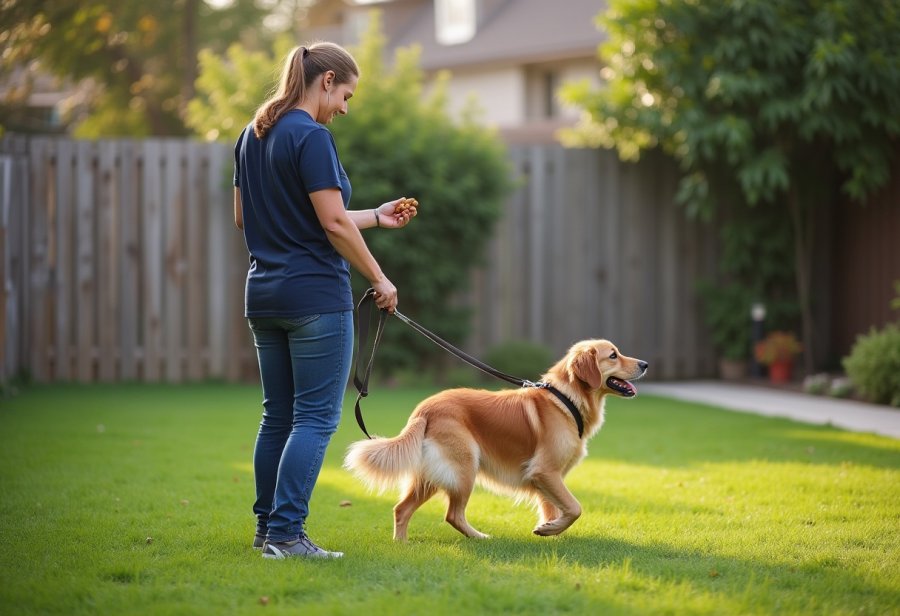
Focus Points: Key Elements for Peaceful and Focused Dog Walking
Creating a peaceful, calm walking routine starts with paying close attention to the small details that make a big difference. Your mindset is the foundation—approaching each walk with patience and confidence sets a positive tone for both you and your dog. Dogs are incredibly perceptive to your energy, so staying relaxed and steady helps them feel safe and more likely to focus. Using clear, gentle commands like “focus” or “heel” and consistently rewarding your dog reinforces what you expect, making calmness the default during walks.
The right equipment also plays a crucial role. A well-fitted harness or head collar can control pulling comfortably, making it easier for your dog to stay beside you without discomfort. Keeping the leash loose allows your dog to explore without tension, but still under your gentle guidance. When distractions arise, pause and redirect their attention with treats or calm cues, reinforcing that staying close and relaxed is more rewarding than reacting to stimuli.
Practicing in different environments helps your dog generalize calm behavior beyond familiar settings. Start in quiet, low-stimulation areas, then gradually introduce busier places as their confidence grows. This exposure builds trust and reduces reactivity across varied situations. Maintaining consistency with routines and cues creates a sense of security, helping your dog internalize calmness as part of their everyday life.
Mind your body language—move smoothly, speak softly, and avoid hurried gestures. Dogs are sensitive to tension, and your calm demeanor reassures them that they’re in a safe space. Incorporating pauses for praise or gentle cues during the walk reinforces the goal of calmness, transforming each outing into a shared moment of trust.
Building this trust through gentle, confident guidance makes it easier for your dog to remain calm and attentive. Spend quality time outside of walks—playing, training, or simply relaxing together—to strengthen your bond. A secure, trusting relationship encourages focus and calmness, turning walks into peaceful, bonding experiences.
Every walk is an opportunity to reinforce good habits. Stay consistent with your cues and routines, and celebrate small successes like walking past distractions or maintaining focus. These moments boost your dog’s confidence and deepen your connection. With steady practice and patience, calm, focused walks will become second nature, making each outing both enjoyable and meaningful for you and your dog.