Behind every backyard mechanic’s workspace lies a sanctuary of passion, patience, and craftsmanship—yet what hidden secrets truly make these restorations art? This exploration takes you into the intimate world of garage-based restoration, revealing how dedicated hobbyists transform rusted relics into prized masterpieces through intuition, skill, and resourcefulness. It’s more than just fixing engines; it’s about preserving history, mastering nuanced techniques, and forging emotional bonds with vintage machines. Advanced tools and technology now blend seamlessly with traditional craftsmanship, expanding possibilities while preserving age-old wisdom. But as innovations grow, so do challenges—source shortages, space limits, and meticulous attention to detail remain constant hurdles. Will passion and ingenuity sustain this timeless craft? The future of backyard restoration hinges on community, curiosity, and resilience, promising a new generation that continues to breathe life into old machines, turning routine repairs into enduring legacies of love, patience, and artistry.
Transforming Garages into Personal Sanctuaries of Passion and Craftsmanship
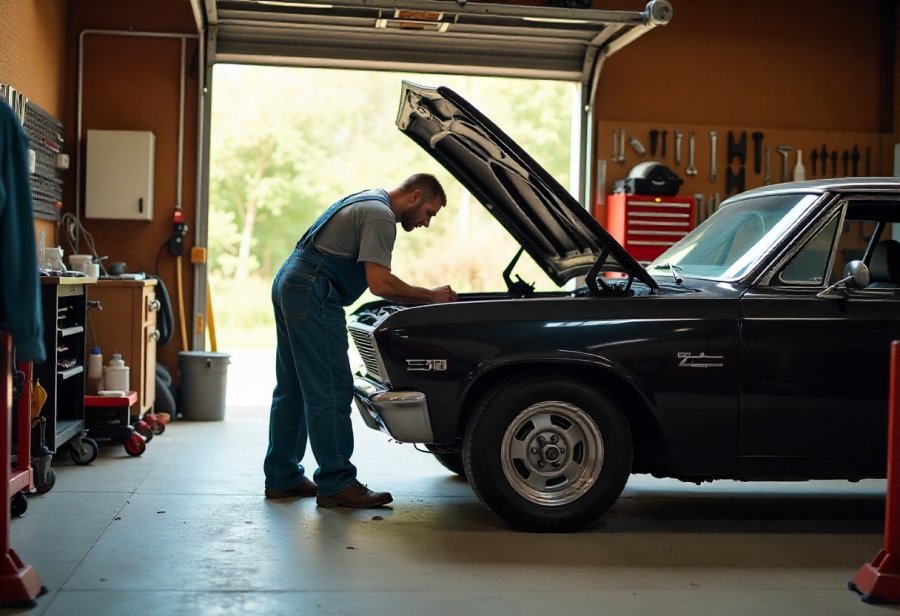
Garages are more than just a place to park cars; they serve as personal sanctuaries where passion for mechanics truly comes alive. For many backyard enthusiasts, this space transforms into a workshop of dreams—where rusted metal is reborn, and worn-out parts find new purpose. It’s a zone of focus and patience, where every tool and component tells a story, reflecting a deep love for craftsmanship. These garages become an extension of the mechanic’s identity, a space to reconnect with machines and rediscover the joy of hands-on work.
Inside these four walls, time seems to slow down. The scent of oil and grease fills the air, blending with the hum of tools and engines. Shelves sag with vintage parts, and workbenches cluttered with tools and parts are organized in a way only their owner understands. Every scratch or dent on a vehicle becomes a badge of honor—proof of battles fought and won through patience and dedication. This space isn’t just functional; it’s personal, embodying the mechanic’s dedication, creativity, and love for the craft.
Garages like these serve as more than repair stations—they’re places of learning and discovery. Hobbyists hone their skills through trial and error, developing techniques and techniques passed down or uncovered along the way. Each project offers new challenges, from removing stubborn rust to sourcing rare parts, reinforcing their connection to the craft. Over time, these spaces evolve into workshops of mastery where craftsmanship becomes second nature. Restoring old machines becomes a form of personal expression, a tribute to mechanical artistry.
The layout of these garages often reflects the passion within. A sturdy workbench stands at the center, surrounded by pegboards filled with tools, and shelves holding parts waiting for their turn. Natural light filters in, illuminating the organized chaos. These spaces are more than just functional—they’re personal sanctuaries that nurture patience, creativity, and skill, making every project a meaningful journey of growth. In this garage, passion and craftsmanship blend seamlessly, turning routine repairs into acts of love and art.
Unveiling the Hidden Secrets and Stories Behind Garage Restoration
Unveiling the secrets of garage restoration reveals a world where craftsmanship and intuition blend seamlessly. It’s not just about replacing worn parts or fixing engines; it’s about understanding the delicate mechanics that make each machine unique. Experienced restorers develop their own tricks—like using specific solvents that remove rust without damaging the metal or employing precise welding techniques to restore structural integrity. These small but vital details often determine whether a project emerges as a polished vintage piece or a failed experiment. The real mastery lies in recognizing the subtle clues that tell you how to proceed, whether it’s listening to engine sounds or inspecting corrosion patterns.
At the core of this craft is a deep appreciation for mechanical design and history. Restorers see beyond the dirt and rust—they see potential. Every vintage vehicle or machine embodies decades of engineering, and their goal is to preserve that beauty while ensuring reliability. This involves more than technical skill; it requires a storyteller’s eye to spot the hidden stories behind each component. Surprises like unexpected rust damage or missing parts often test patience and ingenuity. Creativity comes into play when sourcing rare pieces or fabricating replacements, turning every challenge into an opportunity to refine their techniques.
Garage passion runs deep because these spaces become personal sanctuaries. They are filled with memories, dreams, and a sense of purpose. Many hobbyists develop emotional bonds with their projects, viewing each as a reflection of their patience and craftsmanship. Every scratch, dent, or worn bolt becomes part of a larger story—proof of perseverance and love for the art. This emotional connection fuels their motivation, transforming mechanical work from routine maintenance into a meaningful act of preservation and legacy. It’s in this space that patience, skill, and love for craftsmanship intertwine.
Modern tools and technology have expanded the possibilities of garage restoration. Portable ultrasonic cleaners, 3D printers, and digital diagnostics make tasks faster and more precise. These innovations allow hobbyists to push boundaries that once felt out of reach, creating parts that are impossible to find or restoring intricate details with greater accuracy. However, sourcing authentic parts remains a challenge, often requiring resourcefulness—building relationships with suppliers, repurposing materials, or innovating with new solutions. This blend of traditional knowledge and modern technology keeps the spirit of garage restoration alive and evolving.
Behind every successful project is a story of patience, discovery, and resilience. The secrets of garage restoration aren’t just in the tools or techniques—they’re in the mindset. It’s about embracing setbacks as learning opportunities, trusting your intuition, and appreciating the beauty of mechanical design. Every project becomes a personal journey, a chance to connect with history and craftsmanship. As technology advances and communities grow, these secrets will continue to inspire new generations of backyard mechanics, ensuring that the art of restoring vintage machines remains vibrant and meaningful.
From Passion to Practice: How Hobbyists Revive Vintage Machines
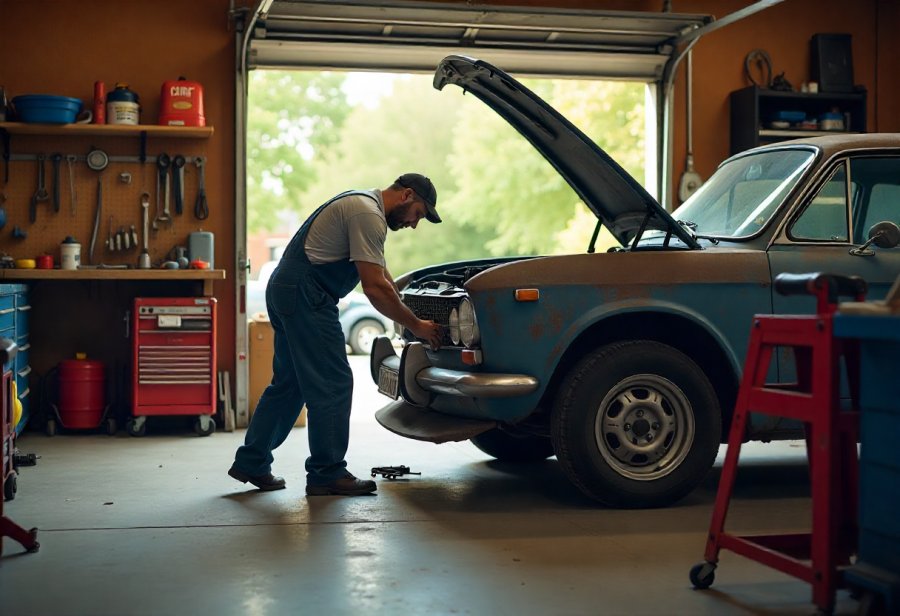
Turning a passion for mechanics into successful restoration projects is a gradual journey that transforms hobbyists into skilled craftsmen. It begins with a genuine love for vintage machines and a curiosity to understand how they work beneath the surface. As they tinker, troubleshoot, and experiment, they develop practical skills—diagnosing issues, selecting the right tools, and adapting techniques to each unique project. Each small victory builds confidence, encouraging them to take on more ambitious restorations and pushing their boundaries further.
Many backyard restorers start with simple tasks, like cleaning rusted parts or replacing worn components. These successes serve as proof that progress is possible and motivate them to deepen their knowledge. Over time, they craft their own tricks—using homemade rust removers, makeshift jigs, or creative solutions—that streamline their work and improve results. This resourcefulness becomes a hallmark of their approach, helping them overcome obstacles that once seemed insurmountable and making each project more rewarding.
Restoring vintage machines isn’t just about fixing; it’s about understanding their history and design. Hobbyists often spend hours researching original specifications or sourcing authentic parts. Each project turns into a puzzle that demands patience, critical thinking, and a willingness to learn from setbacks. With every step, their skills expand—from spotting potential issues early to mastering intricate repairs—transforming their garage into a workshop of continuous growth. This process nurtures their confidence and deepens their connection to the craft.
Every successful restoration reinforces their love for the craft. They see their garage as more than a workspace; it’s a place of transformation where raw metal becomes a vintage masterpiece or an engine roars back to life. These moments of achievement breed pride and inspire them to tackle bigger challenges, blending technical skill with creative problem-solving. Over time, their efforts evolve from casual tinkering into a refined mastery that fuels their passion and sense of purpose.
Patience remains essential throughout this process. Rushing can lead to mistakes, but taking the time to learn each step ensures a higher-quality result. This careful approach turns every project into a learning opportunity, where setbacks become lessons rather than failures. As skills develop, confidence grows, and the act of restoring becomes more than a hobby—it becomes a personal expression of dedication, craftsmanship, and love for mechanical art. This journey from passion to practice keeps the spirit of backyard restoration alive and thriving.
Expert Insights: Essential Tips and Techniques for Successful Garage Restoration
Seasoned mechanics and restoration experts emphasize that patience and meticulous attention to detail form the backbone of successful garage projects. They advise hobbyists to approach each restoration with a clear plan, thoroughly assessing the machine before starting work. Using quality tools and authentic parts isn’t just about appearance; it’s about ensuring durability, safety, and long-term reliability. Many suggest documenting every step—from disassembly to final paint—to create a detailed record that can prevent mistakes and serve as a reference for future projects.
Safety remains a top priority. Power tools, chemicals, and rusty metals pose real risks, so wearing proper protective gear and working in well-ventilated, organized spaces is non-negotiable. An orderly workspace helps streamline workflow and reduces errors, especially when juggling multiple tasks. Experienced restorers often highlight that good organization saves hours and prevents costly setbacks, making the entire process smoother and more satisfying.
Starting with simpler repairs, like replacing brake pads or fixing electrical issues, builds essential skills and confidence. These manageable projects serve as stepping stones toward tackling more complex tasks, such as engine rebuilds or rust repairs. Learning from others—whether through online forums, local clubs, or mentorship—accelerates progress and introduces fresh techniques. Sharing knowledge and experience fosters a community that supports growth and innovation.
Methodical diagnosis is vital. Restorers recommend spending time understanding the root causes of problems before rushing into repairs. Identifying whether a noise is from worn bearings or a loose belt can save time and spare parts. Having the right tools—precision welders, specialized gauges, or diagnostic scanners—makes a significant difference in achieving professional results. Attention to these details often distinguishes average restorations from exceptional ones.
Patience also plays a crucial role in sourcing parts. Vintage or rare components may take time to find, and rushing might lead to damaging valuable pieces or settling for inferior substitutes. Building strong relationships with trusted suppliers, or exploring online communities, often proves invaluable. Their collective knowledge and resourcefulness help keep projects moving forward, even when faced with obstacles.
Expert advice underscores that mastery comes through experience—and mistakes are part of the journey. Every setback offers a chance to learn, refine techniques, and deepen understanding. Taking the time to research, experiment, and reflect turns each project into a valuable lesson, fostering continuous improvement. This mindset transforms garage restoration from a series of repairs into an art form rooted in patience, discipline, and love for craftsmanship.
Ultimately, these seasoned insights reveal that successful garage restoration isn’t just about technical skill—it’s about cultivating a mindset of perseverance, curiosity, and respect for the craft. Combining traditional methods with modern tools and a collaborative spirit ensures that the art of restoring vintage machines remains vibrant. It’s a journey that rewards patience, ingenuity, and passion, inspiring new generations to keep this timeless craft alive.
The Future of Backyard Restoration: Innovation, Community, and Endless Possibilities
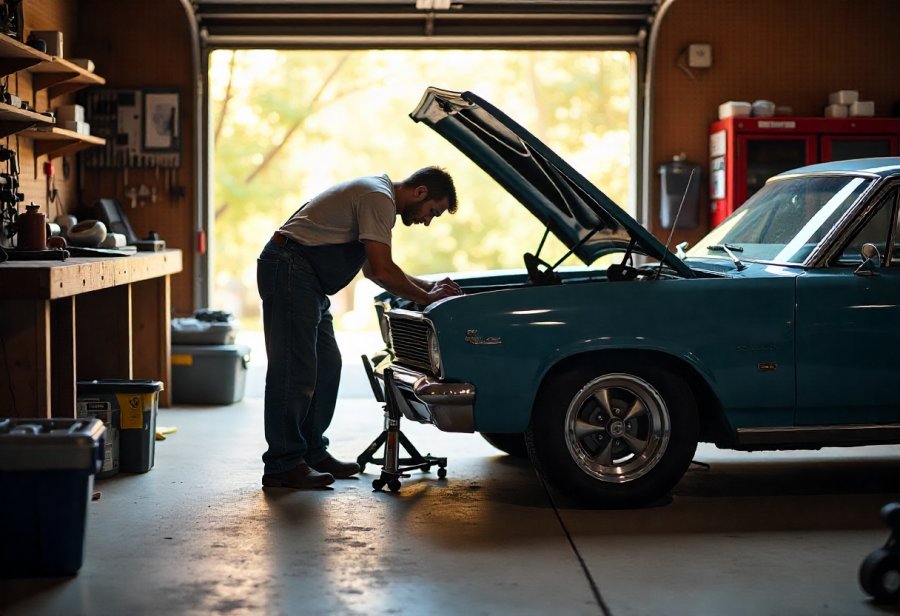
The future of backyard restoration is brighter than ever, fueled by technological innovations and a passionate community of enthusiasts. Modern tools like portable 3D printers, advanced welding equipment, and digital diagnostics are breaking down barriers, making complex projects more accessible for home mechanics. These advancements empower hobbyists to push their skills further without leaving their garages, transforming daunting tasks into achievable challenges and inspiring greater creativity.
Online forums, social media groups, and dedicated communities continue to grow, serving as hubs for sharing tips, sourcing rare parts, and troubleshooting problems. This collective knowledge accelerates learning and helps preserve traditional techniques while fostering innovation. Today’s restoration isn’t just about vintage cars; it’s about building a network that values hands-on skills, resourcefulness, and community—elements that keep the craft alive across generations.
Educational resources are evolving alongside these tools. Video tutorials, virtual workshops, and step-by-step guides make it easier for newcomers to start confidently. This democratization of knowledge invites a wider audience into the world of garage restoration, transforming it from a niche hobby into an inclusive activity that nurtures creativity and technical growth. As a result, more enthusiasts are discovering the satisfaction of giving old machines new life.
Challenges like limited space, sourcing authentic parts, and managing project timelines remain, but resourcefulness often turns obstacles into opportunities. Building relationships with trusted suppliers, repurposing materials, or leveraging innovative solutions like 3D printing help keep projects on track. This spirit of ingenuity ensures that passion and perseverance continue to drive the craft forward.
What’s clear is that core values—patience, attention to detail, and love for craftsmanship—are timeless. Combining traditional skills with modern technology creates a hybrid approach that benefits both seasoned restorers and beginners. This ongoing evolution guarantees that vintage restoration remains accessible, exciting, and relevant, inspiring new generations to carry the torch.
For those sitting on the sidelines with a rusty engine or a battered classic, now is the perfect time to dive in. The tools, resources, and communities are more available than ever, lowering the barriers to entry. Each project becomes a chance to develop new skills, connect with others, and contribute to a craft rooted in patience, ingenuity, and passion.
Looking ahead, garages will become even more of innovation hubs. As technology advances and communities expand, the line between amateur and professional blurs. This democratization of craftsmanship ensures that the love for vintage machines and mechanical artistry will thrive, passed seamlessly from one generation to the next.
Restoring old machines isn’t just about fixing; it’s about nurturing a tradition that combines patience, creativity, and love for the craft. Every project adds to a legacy of hands-on skills that can be shared, passed down, and adapted. This blend of time-honored techniques and modern innovation promises a vibrant future where the art of backyard restoration continues to inspire and evolve.