Beyond Hollywood’s glamorous portrayals lies the true story of Cleopatra VII, a formidable and intellectually gifted ruler whose legacy extends far beyond beauty and romance. As Egypt’s last pharaoh, she mastered diplomacy, languages, and scholarship to safeguard her kingdom’s independence amid a volatile geopolitical landscape. Fluent in at least nine languages and passionate about science and philosophy, Cleopatra blended Egyptian traditions with Hellenistic influence, forging a leadership style rooted in wisdom, cultural resonance, and strategic cunning. Her alliances with Julius Caesar and Mark Antony weren’t mere personal gambits but calculated moves to bolster her authority and preserve Egypt’s sovereignty. This deep intelligence and cultural mastery enabled her to navigate complex political waters, making her a master strategist whose influence endures. Could her true legacy be her remarkable mind—an enduring testament to the power of knowledge, resilience, and strategic foresight in leadership? Her story challenges us to see beyond myth and recognize the enduring strength of wisdom.
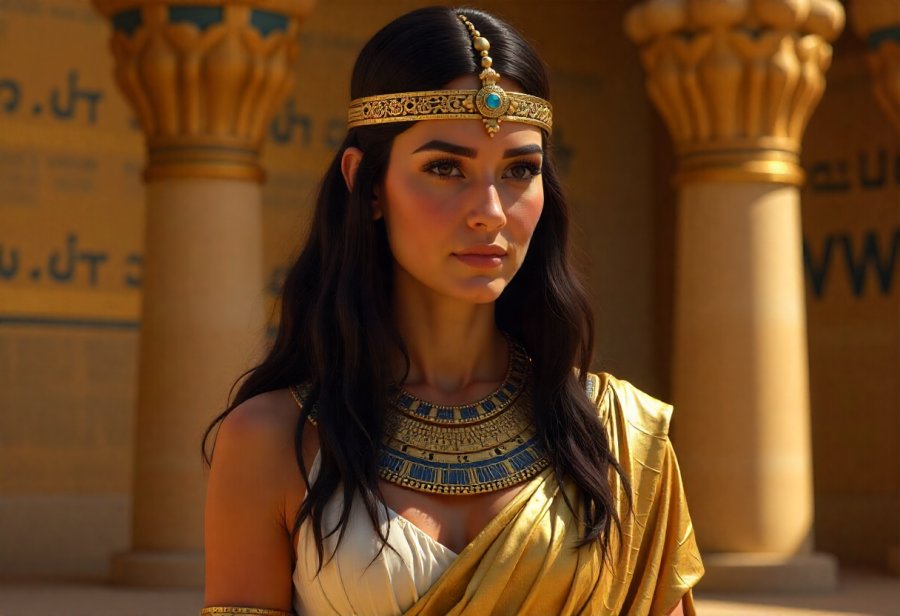
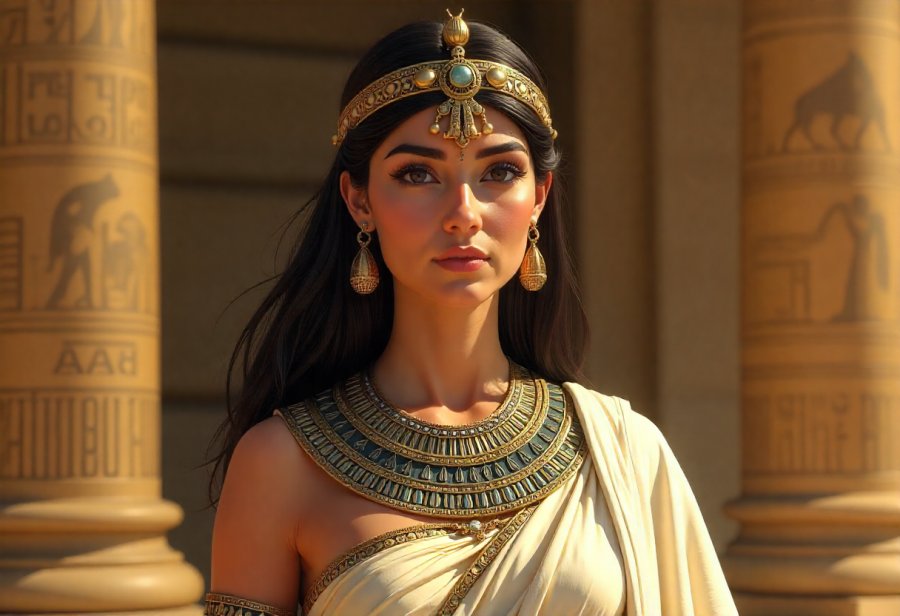
Unveiling Cleopatra: Beyond Beauty to Political Genius
Cleopatra VII is often remembered through Hollywood’s glamorous portrayals of seduction and drama, but her true significance runs much deeper. She was a remarkably intelligent and strategic leader whose legacy extends far beyond the myths of beauty and romance. As the last active ruler of Egypt’s Ptolemaic dynasty, Cleopatra mastered diplomacy, scholarship, and political cunning to preserve her kingdom’s independence during a turbulent era marked by external threats and internal instability.
Her background was shaped by a complex blend of tradition and innovation. She inherited a wealthy and strategically positioned kingdom along the Mediterranean coast, with a heritage rooted in Macedonian Greek lineage—her family had ruled Egypt since the days when Alexander the Great’s generals took control. While deeply rooted in Greek traditions, Cleopatra also embraced Egyptian culture wholeheartedly. She skillfully blended Hellenistic influences with Egyptian customs, creating a leadership style that resonated with both her Greek and Egyptian subjects, strengthening her legitimacy and authority.
During her reign, Egypt faced mounting challenges from external powers, especially as the Hellenistic world declined and Rome’s influence grew. The political landscape was volatile, with shifting alliances, rising external pressures, and internal unrest. Cleopatra’s survival depended on her ability to adapt swiftly and think strategically. She understood that forging alliances, leveraging her intelligence, and employing diplomacy were more effective than relying solely on military might. Her marriage alliances, diplomatic negotiations, and patronage of learning became tools to extend Egypt’s independence and influence on the world stage.
Hollywood’s depiction of Cleopatra often reduces her to a symbol of beauty and romantic intrigue, but her true legacy is rooted in her remarkable intellect. She was fluent in at least nine languages, including Egyptian, Greek, Latin, and Aramaic, which allowed her to communicate directly with a diverse array of audiences and foreign leaders. Her linguistic mastery was not just a convenience; it was a strategic asset that enabled her to negotiate effectively, minimize misunderstandings, and build genuine relationships. Her scholarly pursuits went well beyond language—she was deeply interested in philosophy, mathematics, and astronomy, supporting Alexandria’s famed Library and fostering an environment of inquiry and learning.
Her intelligence was a key factor in her effectiveness as a leader and diplomat. Mastery of multiple languages gave her the ability to negotiate directly, avoiding the pitfalls of mistranslation or miscommunication. Her understanding of complex political and scientific ideas allowed her to craft policies that balanced tradition with innovation. Cleopatra’s capacity to analyze political situations with clarity and craft subtle, effective responses distinguished her from many of her contemporaries. Her leadership was driven by a keen understanding of power, culture, and knowledge—traits that made her a master strategist as much as a regal figurehead.
An essential aspect of her rule was her deep connection to Egyptian traditions and religious practices. Cleopatra expertly integrated these traditions into her public image as a divine monarch, aligning herself with gods like Hathor and Isis to reinforce her authority. Her use of Egyptian symbols and religious rituals helped legitimize her reign and foster loyalty among her subjects. At the same time, she projected strength and sophistication through her Hellenistic influences, creating a leadership style that was both culturally authentic and politically savvy. This balance of tradition and innovation was critical in maintaining her grip on power amid external threats.
Her leadership style was not based solely on power or wealth but on her ability to think strategically, adapt to circumstances, and inspire loyalty through her intelligence and cultural resonance. Her alliances with Julius Caesar and Mark Antony were carefully calibrated moves designed to serve her long-term interests. Cleopatra understood when to stand firm and when to negotiate, wielding her knowledge and cultural understanding as tools of influence. This nuanced approach to leadership exemplifies how intelligence and strategic foresight can outweigh brute force or personal charm.
What makes Cleopatra’s story truly compelling is how her leadership demonstrates that influence relies on adaptability, knowledge, and strategic thinking. Her mastery of diplomacy, language, and cultural symbolism created a legacy that has endured far beyond her lifetime. She proved that a ruler’s strength lies in their ability to think critically, foster loyalty through cultural resonance, and leverage their intelligence to navigate turbulent political waters. Cleopatra’s example continues to inspire modern leaders, especially women, to recognize that lasting influence is rooted in wisdom, resilience, and a deep understanding of human nature. Her life reminds us that true power is often found in knowledge and strategy rather than in appearance or wealth.
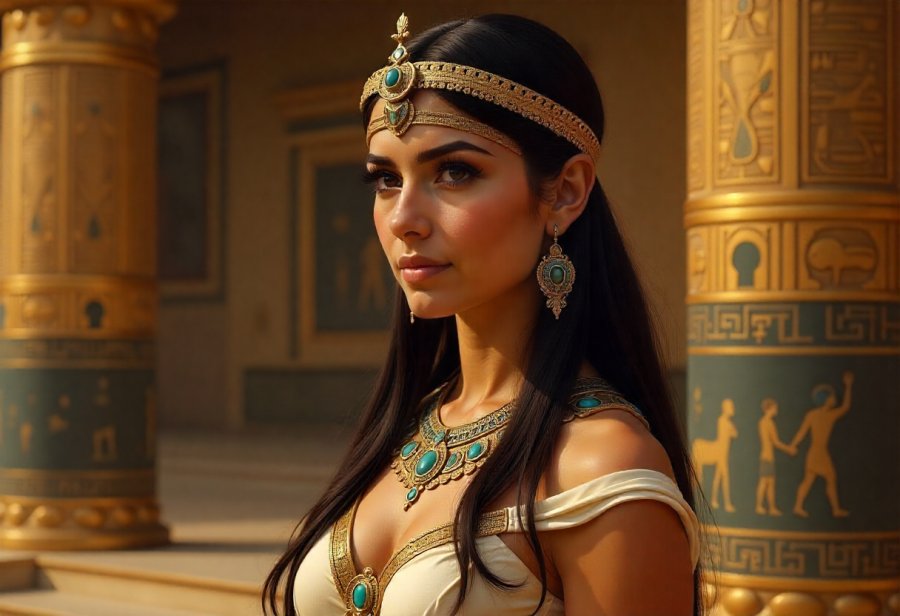
Legacy of Wisdom: How Cleopatra’s Intellect Shaped History
Cleopatra’s true legacy lies in her exceptional intellect and strategic mastery, qualities that set her apart from many rulers of her time. Rather than being remembered solely for her beauty or romantic alliances, her influence was rooted in her profound understanding of politics, culture, and diplomacy. Her ability to navigate a turbulent landscape of external threats and internal upheavals stemmed from a keen mind, adaptability, and a deep sense of purpose. This combination of intelligence and strategic foresight allowed her to forge pivotal alliances, outmaneuver rivals, and sustain Egypt’s independence longer than many expected.
Beyond her political acumen, Cleopatra’s dedication to knowledge and scholarship played a crucial role in shaping her legacy. Fluent in at least nine languages, including Egyptian, Greek, Latin, and Aramaic, she communicated directly with a diverse network of leaders and scholars. These linguistic skills were more than practical; they were strategic tools that minimized misunderstandings and bolstered her diplomatic influence. Her passion for philosophy, mathematics, and astronomy, along with her support of Alexandria’s famed Library, underscored her commitment to fostering learning and inquiry. This scholarly pursuit elevated her reputation as a ruler who valued wisdom as much as power.
Her leadership was also deeply intertwined with her mastery of Egyptian religious and cultural traditions. Cleopatra skillfully embedded herself within the divine symbolism of gods like Hathor and Isis, using religious rituals and imagery to legitimize her authority. This connection to tradition helped secure loyalty among her subjects and reinforced her divine right to rule. Yet, she also embraced Hellenistic influences, blending Greek philosophy and art into her leadership style. This synthesis of tradition and innovation made her leadership both authentic and sophisticated, resonating across her diverse population and strengthening her hold on power.
What truly distinguishes Cleopatra is her ability to combine these elements—intellectual pursuits, linguistic mastery, religious symbolism, and cultural diplomacy—into a cohesive strategy. Her alliances with Julius Caesar and Mark Antony were calculated moves designed to serve her long-term goals, not mere personal relationships. She understood when to stand firm and when to negotiate, wielding her knowledge and cultural understanding as tools of influence. Her nuanced approach to leadership exemplifies how intelligence and foresight can outweigh brute force, making her a master strategist rather than just a figurehead.
Her story demonstrates that influence depends on adaptability, knowledge, and strategic thinking. Cleopatra’s mastery of diplomacy, language, and symbolism created a legacy that endures beyond her lifetime. She proved that true strength lies in the ability to think critically, foster loyalty through cultural resonance, and navigate complex political waters with finesse. Her example continues to inspire modern leaders, especially women, to see wisdom, resilience, and strategic insight as the foundations of lasting impact.
In the end, Cleopatra’s legacy endures because she understood that leadership is about more than power or wealth—it’s about the capacity to think deeply, act wisely, and connect meaningfully with others. Her life reminds us that influence rooted in knowledge and strategy can leave a mark that withstands the test of time. Cleopatra’s story is a testament to the power of the mind in leadership, a reminder that the greatest rulers are those who master their own intelligence and use it to shape history. Her example encourages us to value wisdom as the true source of enduring influence and lasting legacy.