Nylon is a ubiquitous yet often overlooked material woven into our daily lives, from clothing to industrial products. Its creation relies heavily on extracting and processing finite fossil fuels, involving energy-intensive chemical reactions that release pollutants and greenhouse gases, fueling environmental degradation. Once produced, nylon’s durability leads to persistent waste, releasing microplastics that contaminate ecosystems, harm wildlife, and even threaten human health. Communities near manufacturing plants often bear the brunt of toxic pollution, facing social and health challenges that highlight environmental injustice. As nylon’s presence grows with fast fashion and industrial demand, so too does its ecological footprint—contributing to climate change and biodiversity loss. Recognizing the full lifecycle impacts of nylon prompts urgent questions: How can we shift toward sustainable alternatives, improve waste management, and hold industries accountable? The challenge lies in transforming our consumption habits to safeguard our planet’s health and future.
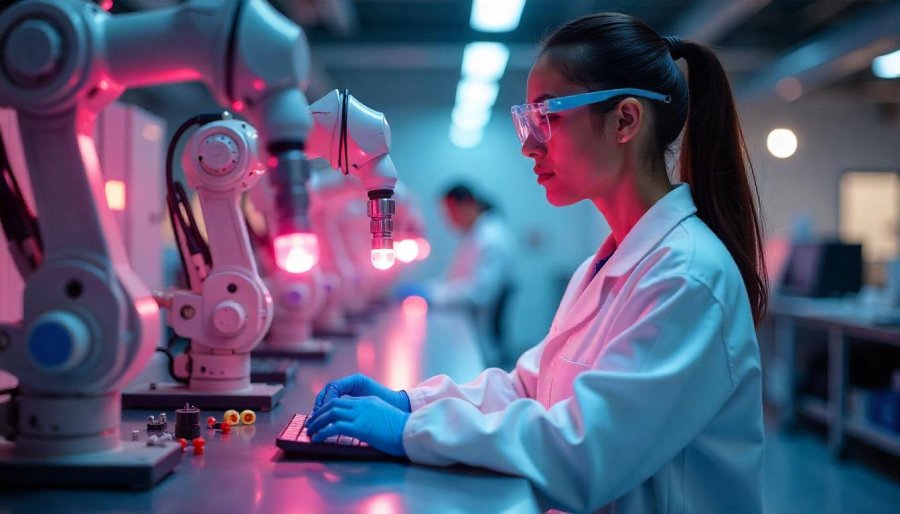
Unveiling Nylon: The Invisible Staple in Our Daily Lives
Nylon is everywhere—it’s a staple in countless products we rely on daily, yet few of us stop to think about what it really is or where it comes from. Whether you’re wearing a synthetic jacket, sitting on a nylon carpet, or using outdoor gear, you’re interacting with this versatile material more often than you realize. Its widespread presence isn’t accidental; nylon’s unique blend of strength, flexibility, and affordability has made it a favorite among manufacturers and consumers alike.
What makes nylon particularly interesting is that it’s a synthetic fiber, created through a complex chemical process rather than sourced from nature. Belonging to the family of polymers known as polyamides, nylon is composed of long chains of repeating units that give it durability and elasticity. These chemical structures enable nylon to resist wear and tear, making it ideal for everything from sportswear and fishing lines to parachutes.
The journey from raw materials to finished product begins deep underground, rooted in the extraction of fossil fuels like oil and natural gas. These resources are refined through energy-intensive processes to produce key building blocks such as hexamethylene diamine and adipic acid. This initial step involves high heat, catalysts, and precise control, all of which demand significant energy input and produce pollutants, contributing to environmental degradation.
Once the monomers are obtained, they undergo polymerization—an intense chemical reaction that links them into long chains at temperatures often exceeding 250°C. Catalysts facilitate this process, ensuring the chains bond correctly to form a strong, flexible polymer. The quality of this step is crucial; even minor variations can impact the properties of the final nylon fiber, making the process both technical and delicate.
After polymerization, the nylon is extruded into filaments, then cooled and stretched to align the polymer chains. This stretching process enhances the fiber’s strength and elasticity, preparing it for weaving into fabrics or conversion into industrial components. While this stage showcases nylon’s versatility, it also highlights the energy and chemical inputs involved—factors that carry environmental implications.
The entire lifecycle of nylon—from extracting fossil fuels to producing finished fibers—is closely tied to the health of our planet’s finite resources. Its dependence on oil and natural gas means that fluctuations in these supplies affect not only manufacturing costs but also environmental impact. The chemical reactions involved produce toxic byproducts, and if waste isn’t properly managed, it can contaminate air and water, affecting ecosystems and communities alike.
Understanding the full story behind nylon’s creation helps us see beyond its convenience. It reveals a complex web of resource extraction, chemical processing, and environmental costs that often go unnoticed. Recognizing this process is the first step toward making more informed choices and exploring sustainable alternatives in our everyday lives.
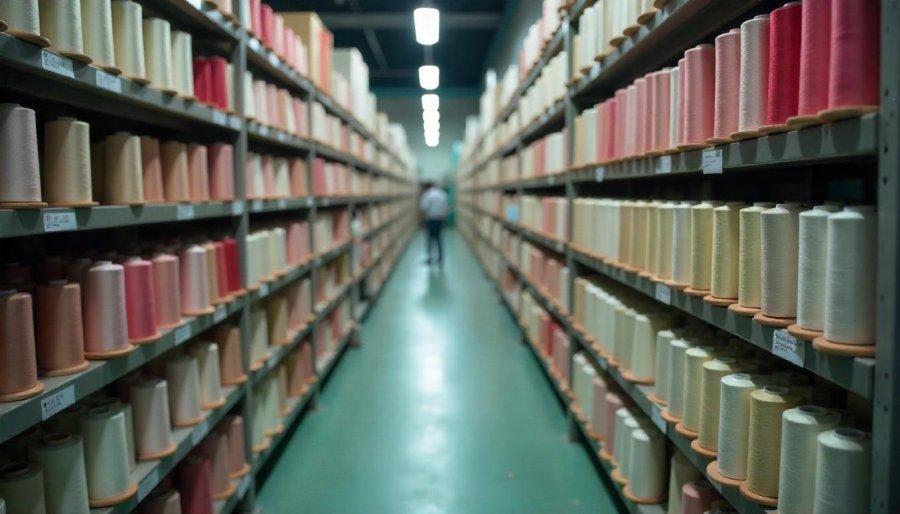
From Fossil Fuels to Fabric: The Complex Journey of Nylon Production
Nylon production starts with extracting petrochemicals from our finite supplies of oil and natural gas. These fossil fuels are processed through complex refining methods to produce the foundational building blocks: hexamethylene diamine and adipic acid. This stage is energy-intensive, requiring high temperatures and catalysts to break down hydrocarbons into usable monomers. The process releases pollutants and greenhouse gases, contributing significantly to environmental degradation, especially when waste management is lax.
Once the monomers are ready, they are combined through polymerization—a chemical reaction that links small molecules into long, repeating chains. Conducted at temperatures often exceeding 250°C and under high pressure, this step demands precise control. Catalysts facilitate bonding, ensuring the resulting nylon polymer is strong, flexible, and capable of withstanding stress. A slight deviation in temperature or catalyst activity can impact the quality of the final product, making this stage both delicate and crucial.
After polymerization, the nylon is extruded into filaments, which are then cooled and stretched. This stretching aligns the polymer chains, significantly increasing the fiber’s strength and elasticity. The fibers are then woven into fabrics or processed into industrial components, demonstrating nylon’s versatility in countless applications—from clothing and carpets to automotive parts. However, each of these steps consumes significant energy and involves chemicals that pose environmental risks if not properly managed.
The entire process—from resource extraction to fiber production—is deeply intertwined with environmental concerns. The reliance on fossil fuels means that fluctuations in oil and gas supplies directly influence nylon’s production costs and environmental footprint. Additionally, the chemical reactions involved generate toxic byproducts, including greenhouse gases like nitrous oxide, which further contribute to climate change. Without strict regulation and waste controls, these pollutants can contaminate air, water, and soil, affecting ecosystems and human health nearby.
Understanding how nylon is made reveals a story of resource dependency and environmental impact that often remains hidden behind its convenience and durability. It highlights the importance of considering the full lifecycle of synthetic fibers and pushes us to seek sustainable alternatives. As demand grows, especially in fast fashion and industrial uses, the need to develop cleaner, more efficient manufacturing methods becomes more urgent. Recognizing this process equips us with the awareness necessary to advocate for greener choices and innovations in textile production.
The Hidden Toll: Environmental and Social Impacts of Nylon Waste
The widespread use of nylon extends far beyond its convenience and durability; it has significant environmental and social consequences that often go unnoticed. Once discarded, nylon products can linger in landfills for hundreds of years, gradually releasing microplastics and harmful chemicals into soil and water. These tiny fragments, known as microplastics, are particularly troublesome because they are easily ingested by wildlife, entering the food chain and eventually affecting human health. The persistence of nylon waste means that even as we produce more, it accumulates in ecosystems, exacerbating pollution problems that are difficult to manage or reverse.
The environmental footprint of nylon starts at the source. Factories involved in its production emit pollutants into the air and water, impacting local ecosystems and communities. Often located near marginalized or economically disadvantaged populations, these industrial zones expose residents to hazardous chemicals, contaminated water, and polluted air. Such exposures have been linked to respiratory issues, developmental problems, and other health concerns, highlighting a stark social dimension to nylon’s lifecycle. The chemicals used and generated during manufacturing—volatile organic compounds and hazardous byproducts—do not stay confined; they drift into surrounding environments, harming both nature and the people living nearby.
When nylon products reach the end of their life, their resilience becomes a challenge. Since nylon doesn’t biodegrade, it remains in landfills for centuries, slowly leaching chemicals and microplastics into the environment. These fragments are carried by wind and water, spreading far beyond their original disposal sites. Marine and terrestrial wildlife often mistake microplastics for food, ingesting them and suffering from internal injuries, starvation, or poisoning. The continued accumulation of nylon debris in ecosystems contributes to the global plastic pollution crisis, threatening biodiversity and disrupting ecosystems that many communities depend on for sustenance and livelihood.
The dependence on fossil fuels for nylon’s production intensifies these environmental challenges. Extracting and refining oil and natural gas release greenhouse gases and other pollutants, fueling climate change and habitat destruction. The chemical reactions involved in manufacturing nylon produce potent greenhouse gases like nitrous oxide—more impactful than carbon dioxide—further accelerating global warming. As demand for nylon rises, especially with the growth of fast fashion and synthetic textiles, so does its environmental toll, linking the material’s lifecycle directly to broader climate and ecological crises.
Communities living near nylon manufacturing plants often bear the brunt of these impacts. Exposure to toxic chemicals and pollutants can lead to chronic health issues, affecting vulnerable populations disproportionately. Water contamination from industrial waste can compromise drinking supplies and local agriculture, creating long-term health and economic hardships. The social costs of nylon extend beyond individual health, contributing to environmental injustice and reinforcing cycles of inequality, especially in regions with lax environmental regulations.
Microplastic pollution from nylon isn’t confined to land or water; it infiltrates the air we breathe. Tiny particles released during manufacturing, washing, and waste disposal become airborne, spreading across regions and even continents. These airborne microplastics settle on soil, water, and plant life, entering our environment in ways that are difficult to track or control. As they accumulate, they pose risks to both ecosystems and human health, highlighting the pervasive nature of nylon’s impact and the interconnectedness of environmental systems.
Addressing these complex challenges requires a shift in how we view and manage synthetic fibers. Recycling and waste management improvements can help reduce nylon’s footprint, but they are only part of the solution. Transitioning toward biodegradable alternatives and adopting stricter regulations on pollution can mitigate some of the harm. Public awareness and responsible consumption—choosing natural fibers or supporting brands committed to sustainability—are essential steps. Recognizing nylon’s full lifecycle impacts underscores the need for systemic change that prioritizes environmental health and social equity, paving the way for a cleaner, more sustainable future.
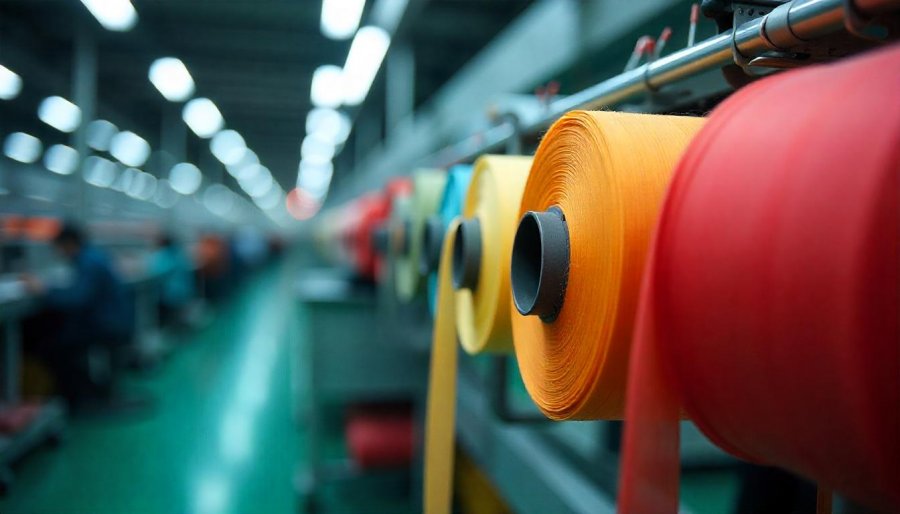
A Call for Change: Rethinking Our Relationship with Nylon and Embracing Sustainability
Nylon’s widespread presence often masks the true costs embedded in its lifecycle. From the extraction of finite fossil fuels to the long-lasting waste it leaves behind, each stage carries environmental and social impacts that frequently go unnoticed. Recognizing these hidden costs is essential, as it encourages us to rethink the products we use daily and consider the broader consequences of our choices.
The manufacturing of nylon relies heavily on fossil fuels, depleting precious resources and contributing significantly to climate change through greenhouse gas emissions. The chemical processes involved release toxic byproducts, which, if not properly managed, can contaminate air, water, and soil, affecting nearby communities and ecosystems. These impacts are often invisible to consumers but pose serious threats to health and environmental integrity.
Once discarded, nylon products persist for centuries, slowly leaching chemicals and microplastics into our environment. These tiny fragments infiltrate oceans, rivers, and landfills, where they are ingested by wildlife and eventually enter the human food chain. The accumulation of microplastics disrupts ecosystems and threatens biodiversity, while also posing direct health risks to people—especially those in vulnerable communities living near production sites.
Addressing these issues requires a shift beyond mere awareness. Investing in innovative, biodegradable alternatives and improving recycling technologies can significantly reduce nylon’s environmental footprint. Supporting policies that enforce stricter pollution controls and waste management practices is equally crucial, helping prevent toxic waste from polluting ecosystems and communities.
Consumers have a vital role to play. By choosing natural fibers or recycled materials, supporting brands committed to sustainability, and reducing unnecessary plastic use, individuals can drive demand for more responsible manufacturing practices. Small changes, when adopted collectively, can foster a meaningful shift toward sustainability and help curb the environmental toll of synthetic fibers.
It is also imperative that industries and governments collaborate to establish and enforce stricter regulations on chemical use, waste disposal, and emissions. Such measures can prevent pollution at its source, protect vulnerable populations, and promote cleaner production methods. Innovation in textile science, emphasizing eco-friendly processes, offers hope for a future where fashion and industry align more closely with environmental health.
Understanding nylon’s full lifecycle underscores the urgent need for systemic change. Transitioning to sustainable alternatives isn’t just about reducing pollution; it’s about safeguarding the health of our planet and future generations. Every step toward responsible consumption and production helps build a resilient, healthier environment.
We hold the power to influence this change. By making informed choices and advocating for better policies, we can push industries toward transparency and accountability. Embracing sustainability in our daily lives isn’t just a trend—it’s a necessary shift to ensure a cleaner, more equitable world. The journey begins with awareness, but it’s our actions that will shape the future of our environment.