Imagine facing a sudden breakdown on a busy morning—your car stubbornly refuses to start. Most drivers overlook their battery until the moment it fails, but what if a simple, regular check could prevent that nightmare? This guide reveals the secrets to worry-free driving through easy, practical battery maintenance. From inspecting terminals for corrosion and ensuring tight connections to monitoring voltage levels, the techniques are straightforward yet highly effective. Extreme weather accelerates battery wear, making preemptive care crucial—are you prepared for hot summers or freezing winters? Early warning signs like slow starts, dim lights, or unusual smells shouldn’t be ignored, as they signal impending failure. With just a few minutes every few months, you can extend your battery’s life, avoid costly repairs, and keep your vehicle dependable. Are you ready to take control of your car’s health and drive with confidence, no matter the season?

Ensure Worry-Free Driving with Simple Battery Checks
Your car’s battery might not always be front and center when you think about vehicle maintenance, but it’s undeniably one of the most important parts of your car. It’s the power source that gets your engine roaring and keeps your lights, radio, and other systems running smoothly. When the battery starts to weaken or malfunction, it can cause unexpected breakdowns and leave you stranded at the worst possible moment. That’s why paying a little attention to your battery’s health is a smart move for any driver aiming for worry-free driving.
Routine checks don’t have to be complicated or time-consuming. A few simple habits can go a long way in extending your battery’s lifespan and ensuring your vehicle remains dependable every day. Regularly inspecting the battery terminals for corrosion is one of the easiest and most effective steps you can take. Corrosion appears as a white, greenish, or bluish deposit on the metal posts and can block the flow of electricity, making it harder for your car to start. If you notice any buildup, cleaning the terminals with a baking soda and water mixture, along with a wire brush or an old toothbrush, can quickly restore good contact and prevent starting issues.
In addition to cleaning, checking that the battery cables are tight and secure is just as vital. Over time, vibrations from driving, along with temperature fluctuations, can loosen these connections. Loose cables can lead to inconsistent power supply, slow cranking, or even complete failure to start. Making it a habit to tighten these cables every few months helps maintain a solid connection, reducing the risk of sudden breakdowns. Keep the terminals free of grease or dirt, which can insulate the posts and hinder electrical flow, and you’ll protect your vehicle’s reliability.
Monitoring your battery’s health with a simple voltage check offers another layer of protection. Using a multimeter, you can measure the voltage with the engine off—aiming for about 12.6 volts for a fully charged battery. If your readings are significantly lower, say below 12.4 volts, it’s a sign that your battery is losing capacity and may need replacing soon. Performing this quick check every few months, especially before extreme weather seasons, helps you catch early signs of wear and tear before they lead to inconvenient breakdowns.
Your car’s starting performance can also reveal a lot about your battery’s condition. Slow cranking, dimming headlights, or flickering dashboard lights are common warning signs that your battery isn’t providing enough power. These cues often appear well before a complete failure, giving you the chance to address the issue—perhaps by cleaning the terminals or replacing the battery—before getting stranded. Staying attentive to these signals keeps your vehicle dependable and your daily routine on track.
Extreme weather conditions accelerate battery deterioration and can make it harder for your battery to perform. Hot temperatures speed up chemical reactions inside the battery, leading to faster wear, while cold weather hampers its ability to generate sufficient power. If you live in an area with harsh seasons, regular checks become even more critical. Ensuring your battery is clean, tightly connected, and fully charged before winter hits can prevent cold-weather starting issues. During hot summers, keeping the battery cool and avoiding short trips that don’t allow it to recharge properly can extend its lifespan. These simple precautions help your battery perform reliably regardless of the weather outside.
Recognizing early warning signs is key to avoiding surprises. Besides slow starts and dimming lights, look out for corrosion around the terminals, a swollen or cracked case, or a strange smell emanating from the battery. These indicators suggest your battery is nearing the end of its life and should be replaced promptly. Addressing these issues early not only saves money but also spares you the inconvenience of roadside emergencies, especially when you’re in a hurry or facing bad weather. A little proactive care now can prevent bigger problems later.
Even modern, maintenance-free batteries benefit from regular visual inspections and simple checks. Taking a moment to examine the terminals, tighten connections, and measure voltage helps you stay ahead of potential problems. Incorporating these quick routines into your regular car care keeps your vehicle dependable and ready for the road. It’s a small investment of time that pays off by preventing unexpected breakdowns and costly repairs, giving you peace of mind whether you’re commuting or heading out on a long trip.
Ultimately, caring for your car’s battery isn’t about complicated mechanics—it’s about staying attentive and proactive. A few simple steps, performed regularly, can make all the difference in maintaining vehicle reliability and avoiding roadside emergencies. By making battery checks part of your routine, you’re taking control of your vehicle’s health, saving yourself time, money, and stress. After all, a well-maintained battery doesn’t just keep your car running—it keeps your day moving smoothly.

Master the Essentials of Battery Care to Prevent Failures
Maintaining your car battery doesn’t have to be complicated. The key is focusing on a few simple, practical habits that can significantly extend its lifespan and keep your vehicle dependable. One of the easiest steps is to regularly inspect the battery terminals for signs of corrosion. This buildup, which appears as a white, greenish, or bluish deposit, can develop over time and block the flow of electricity. When you spot corrosion, cleaning the terminals with a mixture of baking soda and water, along with a wire brush or an old toothbrush, restores a good connection and prevents starting problems. Keeping these terminals clean ensures your battery can deliver power smoothly, especially in humid or rainy conditions where corrosion tends to form faster.
Alongside cleaning, checking that the battery cables are tight and secure is just as important. Over time, vibrations from driving and temperature fluctuations can loosen the connections. Loose cables can cause inconsistent power, slow engine cranks, or complete failure to start. Making it a routine to tighten these cables every few months can prevent sudden breakdowns. Ensure the connections are free of grease or dirt, as these substances can insulate the posts and hinder electrical flow. This simple step doesn’t require special tools and offers a quick way to maintain a reliable connection, reducing the risk of unexpected failures.
Monitoring your battery’s health with a voltage check provides an extra layer of security. With a multimeter, you can measure the voltage with the engine off—aiming for around 12.6 volts for a fully charged battery. Readings significantly below that, say under 12.4 volts, indicate the battery is losing capacity and may need replacing soon. Checking the voltage every few months, especially before extreme weather seasons, helps you catch early signs of wear. Early detection means you can replace the battery before it leaves you stranded, keeping your daily routine on track.
Your car’s starting performance can reveal plenty about your battery’s condition. Slow cranking, dim headlights, or flickering dashboard lights are common warning signs that your battery isn’t providing enough power. These signals often appear well before a total failure, giving you a chance to act—perhaps by cleaning the terminals or swapping out the battery—before you’re stuck roadside. Paying attention to these cues helps maintain your vehicle’s reliability and prevents inconvenient breakdowns, especially during cold mornings or hot summer days when your battery faces extra stress.
Extreme weather conditions tend to speed up battery deterioration or make it harder for the battery to perform. Hot temperatures accelerate chemical reactions inside the battery, leading to faster wear, while cold weather hampers its ability to generate sufficient power. If you live in an area with harsh seasons, regular checks become even more critical. Before winter, ensure your battery is clean, tightly connected, and fully charged to prevent cold-start issues. During summer, keeping the battery cool and avoiding short trips that don’t allow it to recharge properly can extend its life. These simple precautions help your battery perform reliably regardless of outside conditions.
Signs of an aging or failing battery are often noticeable before it completely gives out. Besides slow starts and dimming lights, look for corrosion around the terminals, a swollen or cracked case, or a strange smell coming from the battery. These are clear signals that your battery is nearing the end of its life and should be replaced soon. Addressing these issues early not only saves money but also spares you the hassle of roadside emergencies, especially when you’re in a hurry or facing bad weather. Quick action at the first signs can prevent unexpected breakdowns and keep your day running smoothly.
Even with modern, maintenance-free batteries, routine care remains valuable. Regular visual inspections, voltage testing, and terminal cleaning are simple steps that protect your investment and ensure your vehicle starts reliably. Incorporating these habits into your regular car care routine helps you stay ahead of potential problems, saving you from unexpected breakdowns and costly repairs. A little proactive maintenance goes a long way in keeping your vehicle dependable day after day, no matter how busy your schedule gets.
Taking small, consistent steps to care for your battery can make a big difference. It’s about staying attentive and proactive, not about complex mechanics or technical expertise. By making battery checks a regular part of your routine, you’re not just preventing roadside emergencies—you’re investing in peace of mind. A well-maintained battery is essential for worry-free driving, providing the confidence that your vehicle will start when you need it most. With just a few minutes every few months, you can ensure your car remains reliable, safe, and ready to hit the road whenever you are.
Actionable Strategies for Reliable Battery Maintenance
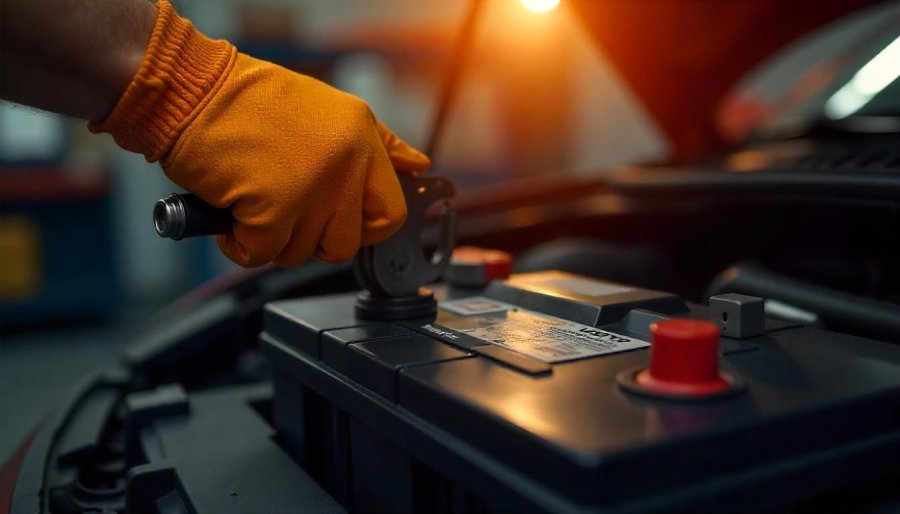
Maintaining your car battery doesn’t require advanced tools or technical expertise—just a few simple, practical steps that can significantly boost its lifespan and reliability. Start by inspecting the battery terminals every few months. Look for any signs of corrosion, which often appears as a white, greenish, or bluish deposit on the metal posts. Corrosion can hinder the flow of electricity, making it harder for your car to start. If you see buildup, mix a solution of baking soda and water, then scrub the terminals with a wire brush or an old toothbrush to remove the deposits. Keeping the terminals clean ensures a solid connection, helping your vehicle start reliably, especially in humid or rainy conditions where corrosion tends to develop faster.
Next, focus on the cables connecting your battery. Over time, vibrations from driving and temperature shifts can loosen these connections. Loose cables can cause intermittent power issues or even prevent your car from starting altogether. Check that the cables are tight and secure, and tighten them gently if needed. Ensure the connections are free of grease, dirt, or debris, as these can act as insulators and reduce electrical conductivity. Making this a routine—every few months—can prevent unexpected failures and keep your vehicle running smoothly without the need for repairs or roadside assistance.
Monitoring your battery’s health with a voltage check is another straightforward step that can save you from surprises. Using an inexpensive multimeter, measure the voltage with the engine off. A fully charged, healthy battery will read around 12.6 volts. If the reading falls below 12.4 volts consistently, it’s a sign that your battery is losing capacity and may be close to failure. Performing this quick test every few months, especially before winter or summer, gives you early warning signs to replace the battery before it leaves you stranded. It’s a simple habit that can prevent inconvenient breakdowns and keep your routine on track.
Pay close attention to how your vehicle starts and how the electrical system responds. Slow cranking, dim headlights, or flickering dashboard lights are common early indicators that your battery isn’t providing enough power. These signals often appear before a total failure, giving you time to act—perhaps by cleaning the terminals or replacing the battery—before you get stranded. Recognizing these signs early helps maintain your vehicle’s reliability and ensures you’re not caught off guard during cold mornings or busy days when a reliable start is crucial.
Extreme weather can accelerate battery wear and make it harder for the battery to perform. Hot temperatures speed up chemical reactions inside the battery, leading to faster degradation, while cold weather hampers its ability to generate sufficient power. If you live in an area with harsh seasons, regular checks are even more important. Before winter hits, ensure your battery is clean, tightly connected, and fully charged to prevent cold-start issues. During summer, keeping the battery cool and avoiding short trips that drain it faster can extend its lifespan. Simple precautions like these help your battery perform dependably, no matter what the weather throws at you.
Signs of a failing or aging battery often show up before it completely quits. Besides slow starts and dimming lights, look for corrosion around the terminals, a swollen or cracked case, or strange smells emanating from the battery. These are clear signals that your battery is nearing the end of its life. Addressing these issues early can save you money and prevent roadside emergencies, especially when you’re in a hurry or facing bad weather. Acting promptly at the first signs of trouble can keep your vehicle dependable and your day running smoothly.
Even modern, maintenance-free batteries benefit from routine care. Regular visual inspections, voltage testing, and terminal cleaning are simple habits that protect your investment and ensure reliable starts. Incorporating these checks into your regular car maintenance routine keeps you ahead of potential problems, saving you from unexpected breakdowns and costly repairs. Just a few minutes every few months can make a big difference, providing peace of mind whether you’re commuting to work or heading out on a long road trip. Small, consistent efforts keep your vehicle dependable day after day, no matter how busy your schedule gets.