Embarking on your first camping adventure can feel intimidating, yet cultivating the right mindset transforms challenges into enriching experiences. How you approach setbacks—like sudden rain or gear mishaps—determines whether your trip becomes a stressful obstacle or a memorable journey of growth. This guide emphasizes the power of curiosity, resilience, and gratitude, encouraging you to see every moment, from pitching a tent to star-gazing, as an opportunity for discovery. It highlights practical preparation tips, from planning and organizing to staying adaptable amid surprises, ensuring your first outing is smooth and rewarding. As outdoor trends evolve towards sustainability and mindfulness, these mental shifts lay the foundation for responsible and meaningful outdoor experiences. Ultimately, adopting a positive, open attitude not only enhances your enjoyment but deepens your connection with nature, creating lasting memories and fostering a lifelong love for the outdoors. Are you ready to turn your outdoor dreams into fulfilling realities?
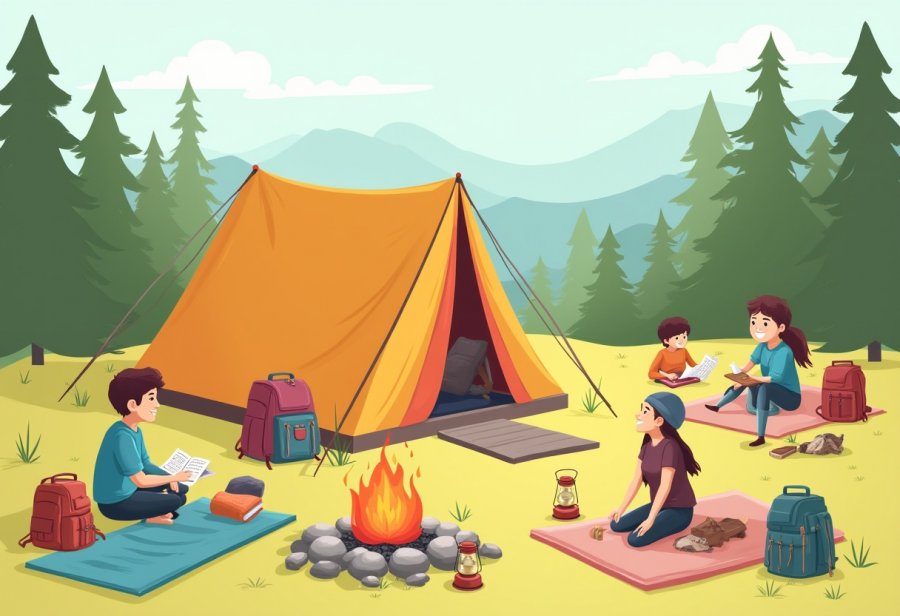
Transform Your First Camping Experience with the Power of the Right Mindset
Starting your first camping trip can feel a bit intimidating, especially when you’re unsure of what to expect or how to handle unexpected surprises. But the way you approach the experience can make all the difference. A positive and open mindset transforms camping from a stressful challenge into an exciting adventure. When you see setbacks—like a tricky tent setup or an unexpected rainstorm—not as problems, but as parts of the journey, you’ll find yourself more relaxed and ready to embrace whatever comes your way.
Having the right mental outlook encourages flexibility and resilience. It’s about viewing challenges as opportunities to learn rather than obstacles to overcome. For example, if your stove refuses to light or your gear doesn’t work perfectly, approaching these moments with curiosity instead of frustration helps keep your mood upbeat. Celebrating small wins, like successfully pitching your tent or starting a campfire, boosts your confidence and keeps you motivated to push forward.
A good camping mindset also deepens your connection with nature. When you’re open to new experiences and curious about your surroundings, you notice more—the chirping of birds, the scent of pine, or the texture of tree bark. This heightened awareness makes the outdoor experience richer and more memorable, turning routine tasks into moments of discovery. Plus, your enthusiasm can be contagious, creating a cheerful vibe that encourages everyone around you to relax and enjoy themselves.
Many first-timers worry about their abilities or feel overwhelmed by the unfamiliar. Reframing these worries as part of the learning process helps build confidence. Remember, everyone starts somewhere, and mistakes are just stepping stones. Approaching the outdoors with patience and a sense of adventure turns potential stressors into opportunities for growth. This mindset not only makes the current trip more enjoyable but also sets a positive tone for future outings.
Remaining calm and adaptable is key when things don’t go exactly as planned. Weather changes or gear issues can be frustrating, but viewing these moments as part of the experience keeps frustration at bay. Staying present allows you to appreciate the quiet beauty around you—the rustling leaves, the starry sky, the fresh mountain air—rather than fixating on perfection. This attitude helps handle surprises gracefully, making the trip more rewarding overall.
Embracing a mindset rooted in curiosity and gratitude turns camping into a meaningful escape. Focusing on small wins and simple pleasures, like a starry night or a warm meal, lifts your spirits and deepens your enjoyment. Approaching each part of the trip with an open mind transforms outdoor adventures into opportunities for discovery, connection, and growth. When you see camping as more than just a destination, it becomes a journey of personal enrichment that stays with you long after you pack up.
Master Planning and Preparation for a Smooth First Adventure
Getting ready for your first camping trip starts with solid planning. Spend some time researching your destination—know the terrain, check the weather forecast, and familiarize yourself with the nearby facilities. This prep helps you pack smarter and sets realistic expectations for what lies ahead. Creating a detailed checklist of essentials like a tent, sleeping bag, cooking gear, and suitable clothing ensures nothing gets left behind and reduces last-minute stress.
Organizing your gear at home makes a big difference. Lay everything out so you can see what you already have and identify what’s missing. Practice pitching your tent in your backyard a few times; it boosts your confidence and speeds up the setup process. Familiarize yourself with your equipment—know how your stove works, how to operate your lantern, and the best way to pack your backpack. These small steps save time and prevent frustration once you’re in the outdoors.
Logistics are just as important as gear. Reserve your campsite early, especially if you’re new to camping, to avoid surprises upon arrival. Learn the park’s rules about fires, waste disposal, and quiet hours. Planning your route and transportation allows you to arrive relaxed and ready to settle in. Having a clear plan keeps you in control and helps you enjoy your first trip without feeling overwhelmed.
Meal planning often gets overlooked but makes a big difference. Decide what you’ll eat ahead of time, focusing on lightweight, easy-to-prepare foods like trail mix, instant oatmeal, or pre-made sandwiches. Pack enough water and consider bringing a water filter or purifier if you plan to source from natural water sources. Staying hydrated and well-fed keeps your energy up, making the experience more enjoyable and less stressful.
Safety should be a top priority. Pack a basic first-aid kit for minor scrapes, bites, or injuries. Carry a map, compass, or GPS device, especially if you plan to explore beyond the campsite. Sharing your itinerary with someone you trust and checking in when you arrive and leave adds an extra layer of security. These simple precautions help you stay safe, giving you peace of mind to focus on enjoying your outdoor adventure.
Finally, embrace flexibility. Despite thorough planning, things can change—weather shifts, gear may malfunction, or delays happen. Staying adaptable and maintaining a positive attitude allow you to turn surprises into part of the adventure. With the right mindset and preparation, your first camping trip can be smooth, memorable, and full of discovery, setting the stage for many more outdoor adventures to come.
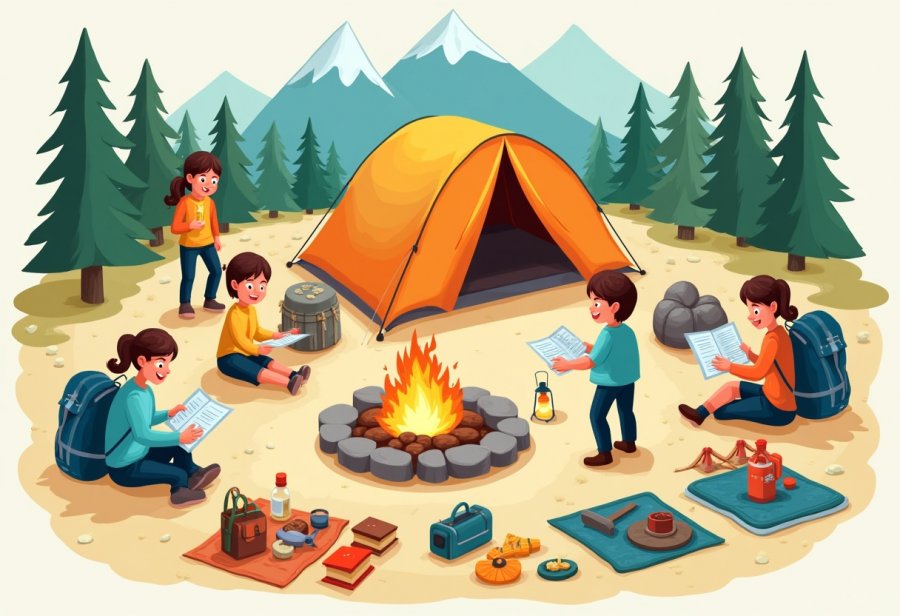
Foster Positivity and Flexibility to Enhance Your Outdoor Journey
Having the right mindset can truly shape how your camping trip unfolds. When you approach the outdoors with curiosity and an open attitude, setbacks like sudden rain or a tricky tent become just part of the adventure, not obstacles. This perspective fosters resilience and flexibility, helping you stay calm and adaptable when surprises arise. Instead of feeling frustrated, you see these moments as opportunities to learn something new or discover a hidden trail, turning potential stress into memorable experiences.
Positivity isn’t about ignoring difficulties; it’s about choosing how to respond. Reframing challenges as chances to explore or grow keeps your mood upbeat. For example, if your gear malfunctions, you might find a creative solution or simply laugh at the situation. Recognizing your small wins—like successfully setting up your tent or lighting a campfire—builds confidence and encourages you to keep exploring with enthusiasm. This shift in focus from problems to progress makes the entire trip more enjoyable and rewarding.
Being open-minded also deepens your connection with nature. When your mind isn’t preoccupied with worries, you notice more—the sound of leaves rustling, the scent of pine, or the beauty of a sunset. Fully immersing yourself in these moments enhances your experience and transforms routine tasks into opportunities for wonder. This presence allows you to appreciate the quiet beauty of the outdoors and find joy in the simplest things, turning a trip into a meaningful escape.
Your attitude can influence everyone around you. Sharing your enthusiasm and patience helps create a positive atmosphere, even when things don’t go as planned. Small setbacks, like lost gear or unexpected weather, become shared stories rather than sources of frustration. This collective positivity turns the experience into a bonding adventure, making everyone feel more relaxed and connected. When you lead with a cheerful outlook, it encourages others to do the same, elevating the entire group’s enjoyment.
Finally, cultivating patience and gratitude keeps your camping mindset strong. Waiting for a meal to cook or a storm to pass can test your composure, but embracing these moments slows you down and helps you savor the experience. Recognizing the small victories and appreciating the beauty around you—like a starry night or a peaceful creek—enriches your trip and leaves you with lasting memories. Adopting this mindset transforms outdoor adventures from mere escapes into opportunities for personal growth, connection, and lifelong love of nature.
Adopt Practical Strategies to Cultivate Joy and Resilience in Camping
Adopting a positive camping mindset involves intentional choices that support your enjoyment and resilience throughout the trip. Starting each day with a moment of gratitude—whether for the chance to sleep under the stars or simply to escape daily routines—sets a cheerful tone. This small act shifts your focus from what’s going wrong to what’s going right, helping you stay motivated even when things aren’t perfect.
Flexibility proves crucial when plans go awry. Weather shifts, gear malfunctions, or delays can be frustrating, but viewing these moments as part of the adventure keeps your mood upbeat. Instead of feeling defeated, look for creative solutions—maybe you set up a makeshift shelter or discover a scenic trail you hadn’t considered. Staying adaptable turns surprises into opportunities, making your trip richer and more memorable.
Practicing mindfulness helps reinforce a positive outlook. Focus on your senses—listen to rustling leaves, feel the warmth of the campfire, or watch the sunrise. Being present allows you to fully enjoy the small, beautiful moments that often go unnoticed. This awareness deepens your connection with nature and transforms routine tasks into moments of wonder, boosting your overall happiness.
Celebrating small victories along the way builds confidence and momentum. Successfully pitching your tent, lighting a fire, or spotting wildlife are wins worth acknowledging. Recognizing these achievements shifts your attention from what’s left to do to what you’ve already accomplished, fostering a sense of progress and joy.
Your attitude influences those around you. Sharing enthusiasm and patience creates a positive atmosphere, encouraging others to relax and enjoy the experience. When setbacks happen—like lost gear or sudden rain—they become shared stories rather than sources of frustration. This collective positivity turns the entire trip into a bonding adventure, making everyone feel more connected and at ease.
Patience and gratitude are foundational. Waiting for a meal or weather change can test your composure, but embracing these pauses helps you savor the moment. Recognize the beauty in quiet, simple experiences—like stargazing or listening to nature’s symphony—and let them uplift your spirits. This mindset transforms challenges into part of the journey, enriching your overall experience.
By making these small, deliberate shifts in attitude, you create a camping experience rooted in joy, growth, and connection. Each positive step lays the groundwork for future adventures filled with discovery and resilience. When you approach each trip with an open heart and a grateful mindset, outdoor adventures become more than escapes—they become opportunities to deepen your love of nature and yourself.
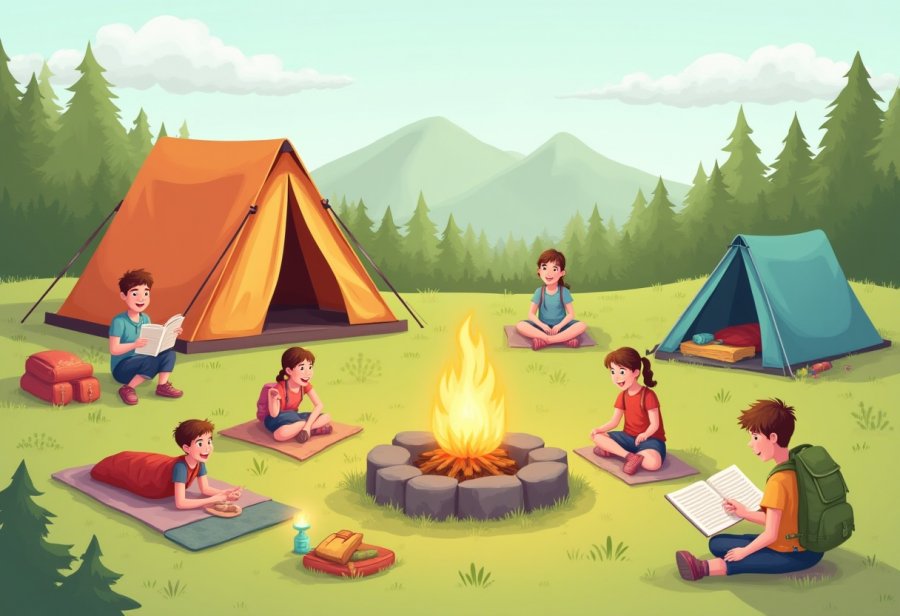
Embrace Future Trends and Long-Term Benefits of a Positive Camping Attitude
Looking ahead, the way we approach camping is evolving alongside trends in sustainability and mindfulness. Innovations in eco-friendly gear—like biodegradable products and lightweight, sustainable equipment—are making it easier to enjoy nature responsibly while minimizing our footprint. Embracing a positive mindset now sets the stage for adopting these practices, turning outdoor adventures into opportunities to protect the environment we cherish.
Developing resilience, curiosity, and gratitude during camping trips fosters a deeper respect for nature and encourages a sense of stewardship. When we see ourselves as part of the natural world, we’re more motivated to preserve it. This creates a cycle where appreciating the outdoors naturally leads to caring for it, ensuring that future generations can also experience its beauty and benefits. Cultivating this mindset helps turn everyday outdoor experiences into acts of environmental kindness.
The future of camping also points toward a greater focus on mental well-being and community engagement. Activities like outdoor meditation or eco-conscious camping are gaining popularity, supported by technology that promotes mindfulness. Smarter gear and apps designed to encourage responsible practices make outdoor experiences more accessible and meaningful, especially for newcomers. This blend of innovation and intention deepens our connection with nature and enhances personal growth.
Flexibility remains key as these trends unfold. Trying out new gear, exploring different philosophies, or experimenting with innovative techniques keeps outdoor adventures fresh and rewarding. Staying open to change and eager to learn helps us adapt to evolving practices, making each trip a chance to deepen our understanding and appreciation of nature. Patience and a positive outlook turn surprises into opportunities for discovery, enriching every outing.
Long-term, cultivating a positive camping mindset becomes a foundation for lifelong connection with the outdoors. By fostering curiosity, responsibility, and gratitude, we not only enhance individual experiences but also contribute to environmental preservation. This mindset encourages us to see ourselves as active participants in protecting natural spaces, promoting sustainable habits that benefit everyone.
As outdoor recreation continues to grow, future trends will emphasize not just exploration, but also healing and community. Initiatives like eco-tours, nature-based stress relief, and group conservation efforts are likely to expand, creating more meaningful ways to connect with both nature and others. Technology will support these shifts, helping us stay engaged and mindful during our adventures.
Ultimately, nurturing a positive camping outlook isn’t just about today’s trip—it shapes how we relate to nature throughout our lives. Approaching each adventure with curiosity, patience, and gratitude turns outdoor escapes into powerful tools for personal growth and environmental stewardship. By embracing these principles now, we set ourselves up for a lifetime of joyful, meaningful outdoor experiences that leave a lasting impact on us and the world around us.