Underground street racing is more than a pursuit of adrenaline; it’s a clandestine culture rooted in loyalty, identity, and brotherhood. As night cloaks urban alleys and industrial zones, racers forge bonds that transcend speed—creating a community built on trust, rituals, and shared sacrifices. Car modifications, secret signals, and routines become symbols of loyalty, transforming individual efforts into collective identity. Personal stories reveal how these relationships withstand legal threats and personal setbacks, turning fleeting moments of thrill into lifelong friendships. With advancements in technology and shifting societal attitudes, the scene is evolving—embracing digital connectivity and safer, sanctioned events—while maintaining its core values. Will these innovations preserve the spirit of rebellion and brotherhood, or dilute the raw intensity that makes underground racing unique? Regardless, the resilience and unbreakable bonds within this underground world ensure its energy and culture endure across generations, driven by an enduring passion for speed and loyalty.
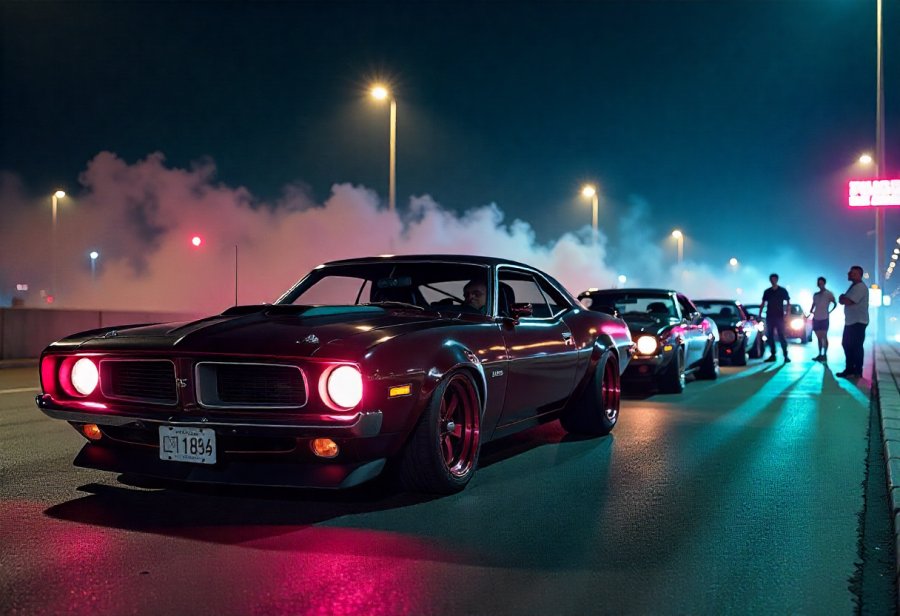
Underground Street Racing: A Rebellious Pulse in Urban Youth Culture
Underground street racing isn’t just about the thrill of hitting top speeds; it’s a vibrant and rebellious subculture that pulses through urban landscapes worldwide. Most races take place late at night, in quiet neighborhoods, industrial zones, or secluded alleyways where secrecy and adrenaline reign supreme. For many young city dwellers, these clandestine events become more than just races—they’re a way to carve out identity, challenge authority, and find a sense of belonging outside mainstream society’s expectations. It’s a scene built on trust, loyalty, and shared passion, creating bonds that run far deeper than the engines themselves.
This culture has roots that stretch back decades, emerging from small gatherings of car enthusiasts pushing their limits in hidden corners. Over time, it grew into a global movement, fueled by movies, social media, and a romanticized image of rebellion. Today, underground racing communities exchange tips, showcase modifications, and recount high-speed adventures across borders, weaving an international web of shared experience. Despite legal risks and societal scrutiny, the scene endures because it offers a sense of purpose and kinship that’s hard to find elsewhere.
Society often views street racing with a mix of admiration and concern. Many praise the skill, creativity, and daring that racers display, celebrating their craftsmanship and courage. Films and online videos have further romanticized the lifestyle, emphasizing brotherhood and loyalty. However, authorities see it as a public safety threat—reckless and illegal, often linked to accidents and noise complaints. These conflicting views lead to crackdowns and stricter laws, but the community’s resilience keeps the culture alive, driven by the bonds formed through shared risk and passion.
At its core, underground racing fosters a deep sense of brotherhood. The late-night runs, daring challenges, and car tuning sessions create relationships rooted in trust and mutual respect. Racers support each other through setbacks, celebrate victories together, and often develop lifelong friendships based on understanding each other’s sacrifices and skills. The cars themselves symbolize this loyalty—modified to reflect each racer’s personality and dedication. Whether a sleek tuner or a muscle car, each vehicle tells a story of belonging and craftsmanship, serving as a badge of honor within the scene.
Despite the dangers and legal hurdles, underground street racing continues to thrive because it’s about more than just speed. It’s about forging a brotherhood built on shared risks, loyalty, and a collective passion. The scene offers a high-octane outlet for expression and connection, where speed becomes secondary to the bonds that keep the community strong. Even in the face of external pressures, this underground world pulses with energy, loyalty, and the relentless drive to race—together.
The Social Fabric of Street Racing: Loyalty, Camaraderie, and Unbreakable Bonds
The community within underground street racing is like a close-knit family, built on shared passion and deep trust. Racers often gather in secret locations, forming crews that operate almost like clans, where loyalty is the foundation. These groups aren’t just about racing; they create a sense of belonging that extends beyond the streets, offering support and camaraderie in every aspect of life. Conversations among racers go beyond cars and speed, involving codes, rituals, and unspoken rules that reinforce bonds and a collective identity. This sense of unity sustains the scene, transforming individual enthusiasm into a shared culture that keeps members connected through thick and thin.
Street racing is more than a competition of speed; it’s a social fabric woven from late-night runs, daring challenges, and mutual respect. Racers develop deep bonds through these shared experiences, often spending hours working on cars, repairing damages, or discussing their latest modifications. Loyalty is the backbone of this culture—members stand by each other during setbacks and celebrate victories together. These relationships often evolve into lifelong friendships rooted in understanding each other’s sacrifices, skills, and the risks they take. The feeling of being part of a family is what makes the scene so resilient and meaningful.
Trust plays a vital role in underground racing, forming the core of these relationships. Secret handshakes, signals to start a race, and designated meeting spots known only to insiders help maintain secrecy and safety. Sharing insider knowledge—like the best escape routes or safe pit stops—further cements loyalty. These traditions create a sense of safety and belonging, ensuring everyone feels part of a tight-knit brotherhood. Even amid the chaos of high-speed races, these unspoken codes keep the community unified and resilient against external threats.
Participation in street racing shapes not only personal identities but also group dynamics. Many racers see their involvement as a defining part of who they are, reflecting traits like resilience, courage, and rebellion. The cars they modify become extensions of themselves, showcasing their skills and personality. On a broader level, the community fosters a collective identity rooted in loyalty and brotherhood. Being part of this culture influences how members perceive themselves and how others see them, creating a shared purpose that extends beyond individual pursuits.
The bonds formed through street racing are more than fleeting moments of adrenaline—they are lifelong connections built on shared struggles and triumphs. Whether it’s fixing a damaged car after a race or supporting a teammate facing legal trouble, racers rely on each other for support. These acts of loyalty and mutual aid deepen their sense of family, turning friendships into lasting relationships. That unwavering trust and solidarity are what keep the scene alive, turning a reckless pursuit into a community bonded by loyalty and respect.
Even as external pressures increase, the community’s resilience persists. Racers adapt by finding new, discreet locations and using encrypted communication to stay connected. Their ability to innovate and support each other demonstrates that the core of their brotherhood remains strong. The scene’s vitality depends on this collective strength—trust, loyalty, and shared passion continue to define it, regardless of societal or legal challenges. It’s this enduring spirit that sustains underground street racing, ensuring the bonds forged in the heat of the moment remain unbreakable.
Looking ahead, technological advances and shifting attitudes may reshape how racers connect and compete. Online forums, encrypted apps, and responsible racing initiatives could help preserve the culture’s essence while reducing risks. As younger generations bring new ideas, the core values of loyalty and brotherhood will likely evolve but stay intact. The scene’s adaptability highlights its resilience—these bonds are not easily broken, no matter how the landscape changes. Ultimately, it’s this unbreakable sense of community that continues to fuel the passion, making underground street racing more than just a sport—it’s a brotherhood that endures across generations.
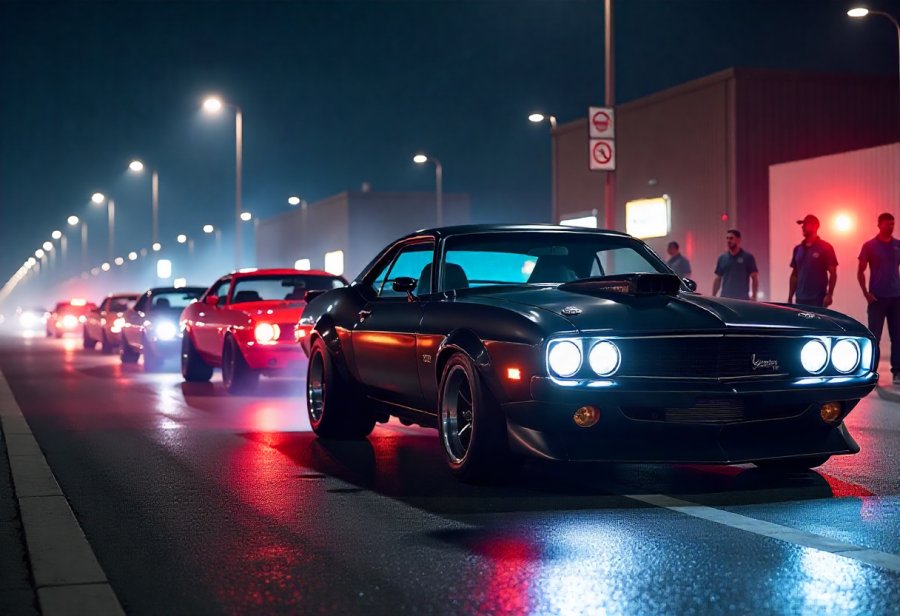
Symbols, Rituals, and Codes: The Language of a Brotherhood
In underground street racing, rituals, codes, and symbols serve as the glue that keeps the brotherhood tight-knit and rooted in shared values. These traditions often include secret handshakes, subtle signals, or specific gestures that racers use to acknowledge loyalty or readiness before a race. These unspoken cues help avoid misunderstandings in the heat of the moment and reinforce trust among crew members, maintaining a sense of order in an environment driven by chaos. Such rituals become a language of their own, enabling members to communicate trust and allegiance without words, turning simple gestures into powerful symbols of unity.
Symbols like unique decals, custom paint jobs, or specific modifications act as badges of identity within the community. These visual markers aren’t just about style—they embody pride, loyalty, and a sense of belonging. Cars become moving symbols of their owners’ dedication and collective identity, showcasing craftsmanship and personal story through each paint job or decal. Celebrating victories with certain gestures or routines—like fist bumps, high-fives, or cheers—further cements bonds and mutual respect, reinforcing the sense that everyone is part of something bigger than just a race.
Beyond physical signs, traditions such as pre-race greetings and post-race celebrations foster unity and mutual support. These routines, often practiced in secrecy, serve to reaffirm respect and reinforce the unspoken rules that govern high-stakes environments. Car maintenance sessions, where crews work side by side to tune or repair vehicles, are acts of ritualistic bonding—showing collective pride and trust in each other’s skills. These shared routines deepen the sense of community, making every moment, every gesture, a testament to their collective identity.
Trust is the currency that fuels this brotherhood. Sharing insider knowledge—like safe escape routes or covert meeting spots—becomes vital for maintaining secrecy and safety. These traditions create a community where every member feels protected and valued, even amid the adrenaline-fueled chaos of street racing. They serve as a foundation that withstands external threats and internal challenges alike, shaping a culture driven by loyalty and respect. Each ritual and symbol acts as a thread that weaves members into a resilient fabric of shared purpose.
These customs do more than preserve order—they embody core values such as loyalty, respect, and collective pride. They transform reckless pursuits into a cultural phenomenon where every sign, gesture, and routine reinforces a collective identity. Whether it’s a secret handshake, a distinctive decal, or a routine before a race, these markers solidify a racer’s sense of belonging. They turn individual cars and drivers into symbols of unity, making each race an act of loyalty and respect, cementing bonds that endure beyond the asphalt.
Shared Stories and Personal Tales: Bonds Forged in the Heat of the Race
Many stories from underground street racers highlight the deep bonds formed through shared adrenaline, late-night hustle, and mutual support. One common tale is about a young driver whose car unexpectedly broke down just moments before a crucial race. Instead of abandoning him, rivals he barely knew came together in the darkness to help fix the vehicle. They swapped tips, shared laughs, and supported each other through the stress, turning what was supposed to be a fierce competition into a moment of genuine camaraderie. These instances reveal that street racing isn’t solely about speed—it’s about the relationships that grow in the heat of shared struggles.
Another racer recalls his first big race, feeling equal parts terrified and exhilarated. His crew stood behind him, offering reassurance and steadying nerves. When he finally launched off the line, the adrenaline rush was unforgettable—and it wasn’t just about winning. What stuck with him most was the unwavering support from his friends, who celebrated every small victory and picked him up after setbacks. These moments foster a sense of belonging that’s hard to find elsewhere, turning individual efforts into collective triumphs.
Many nights end with crews working side by side, repairing damaged cars after grueling races. Exhausted but bonded, they share stories and laughter into the early hours, strengthening their sense of family. These shared moments of teamwork and sacrifice deepen their relationships, transforming mere acquaintances into lifelong friends. The trust built through these late-night sessions becomes the foundation for a brotherhood that extends far beyond the streets, offering support through life’s ups and downs.
Stories also highlight how loyalty keeps the scene alive, especially when faced with legal or personal challenges. When a member faces arrest or injury, others rally around him, risking their own safety to offer aid. These acts of brotherhood are driven by a shared code—standing by each other no matter what. Such acts of support forge bonds that endure beyond the adrenaline and asphalt, creating a resilient community rooted in loyalty and mutual respect.
In the end, these personal narratives show that underground street racing is about more than just speed and competition. It’s about the lifelong connections, trust, and mutual support that turn fleeting moments into enduring relationships. Whether fixing a car after a race or offering encouragement during tough times, racers find a family among the streets. That sense of belonging, built through shared risks and victories, fuels the culture’s energy and ensures the brotherhood remains alive and strong across generations.
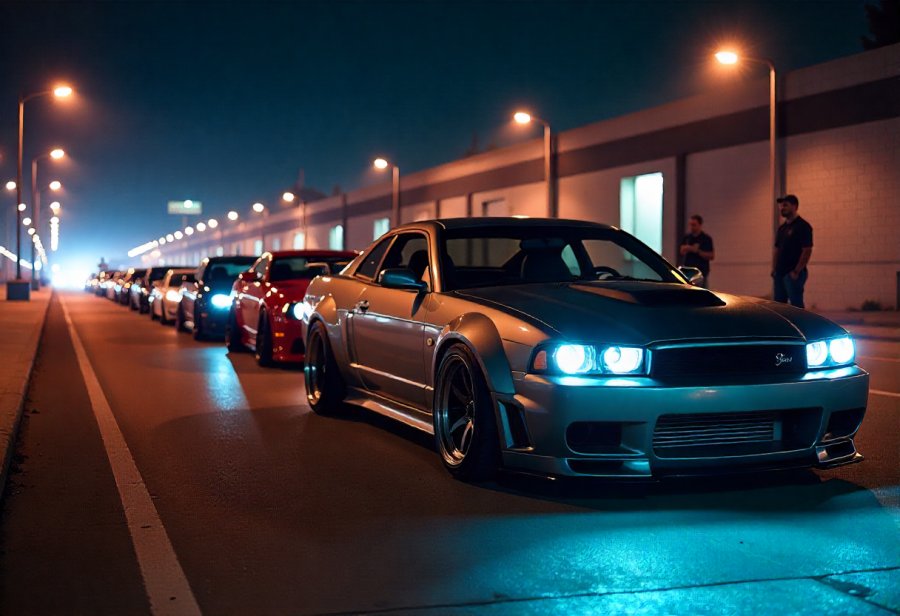
Future Perspectives: Evolving Technologies and Resilient Communities
As technology advances, the underground street racing scene is finding new ways to stay connected and resilient. Digital tools like encrypted messaging apps and GPS spoofing help racers coordinate discreetly, making it harder for authorities to track their movements. Online forums and social media platforms serve as vital spaces for sharing tips, organizing clandestine meets, and building camaraderie, ensuring the brotherhood endures despite increasing legal pressures. These digital realms foster a sense of community where trust is reinforced, even when physical gatherings become riskier.
At the same time, there’s a noticeable shift toward safer, more responsible forms of competition that still honor the culture’s core values. Some groups now organize sanctioned events or participate in legal track days, providing a controlled environment for pushing limits without the dangers of street racing. This evolution allows newcomers to experience the thrill in a safer setting, helping the scene grow sustainably while maintaining the bonds of loyalty and brotherhood. Far from diluting the culture, these responsible alternatives serve as a bridge—preserving tradition while reducing risk.
Innovations in automotive technology are also shaping the future. Electric and hybrid vehicles are making their way into underground circles, sparking creativity and new styles of modification. Younger generations are reimagining what it means to race, blending eco-consciousness with their passion for speed. This shift introduces fresh energy into the scene, emphasizing innovation, responsibility, and community. Despite these changes, the fundamental drive—brotherhood built on trust and shared passion—remains unchanged, adapting seamlessly to new vehicles and ideas.
Navigating urban landscapes and tightening regulations will continue to challenge racers. Their resourcefulness and adaptability, however, prove that the core bonds of loyalty and mutual support are stronger than ever. By finding new, discreet locations and using encrypted communication, they maintain the secrecy and trust that form the foundation of their culture. This resilience demonstrates that even as external pressures mount, the spirit of brotherhood endures, fueled by a collective determination to keep their scene alive.
Looking ahead, hybrid formats that combine underground elements with official racing events could become the norm. These setups might serve as stepping stones for newcomers, offering safe and supervised environments to develop skills before venturing into riskier races. Such approaches could help the culture expand responsibly, welcoming diversity and new voices without losing its essence. No matter how the landscape shifts, the unbreakable bonds—built on loyalty, trust, and shared passion—will continue to be the heartbeat of underground street racing, ensuring its vitality for generations to come.