The Ford Mustang stands as an enduring symbol of American muscle, embodying freedom, rebellion, and innovation across generations. From its iconic debut in the 1960s to its modern incarnations, the Mustang’s bold design and roaring performance have captivated enthusiasts and cultural icons alike. But what keeps this legend alive? Is it the seamless blend of timeless aesthetics with cutting-edge technology, or its rich history embedded in movies, music, and societal ideals? As the automotive world evolves toward sustainability with electric and hybrid models, the Mustang’s ability to adapt without losing its core identity raises the question: can it retain its spirit of rebellion while embracing the future? This story explores the balance between tradition and innovation, illustrating how the Mustang continues to inspire dreams, define resilience, and fuel the American passion for performance—ensuring its legendary status endures far beyond the road.
Unveiling the Icon: The Cultural Power of the Ford Mustang
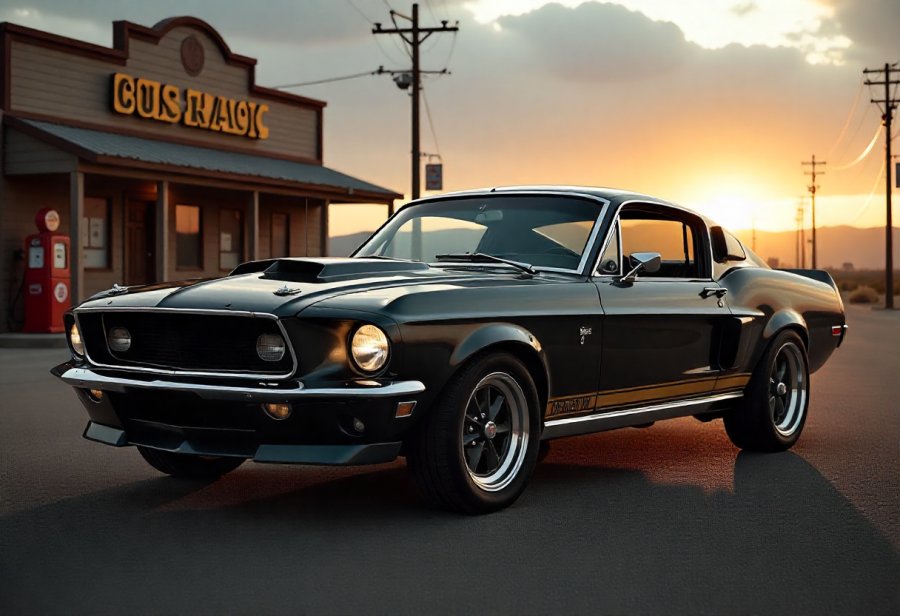
The Ford Mustang is more than just a car; it’s a powerful symbol woven into the fabric of American culture. Since its debut in 1964, the Mustang has come to embody ideals like freedom, independence, and the rebellious spirit that many associate with the American way of life. Its bold design and commanding performance quickly made it an icon, capturing the imagination of drivers and enthusiasts alike. Over the decades, it has become a cultural touchstone—appearing in movies, music, and stories that celebrate the open road and the thrill of adventure.
What sets the Mustang apart is its ability to represent more than just speed. It’s a statement of self-expression—an extension of the driver’s personality and desire for liberty. Whether cruising down a highway or parked at a gathering, the Mustang exudes confidence and attitude. Its presence on the road is impossible to ignore, making it a visual declaration of independence and boldness.
Beyond its striking looks, the Mustang is deeply rooted in the American muscle car tradition. Its design features—like the distinctive pony grille, sleek fastback profile, and muscular stance—have become symbols of raw power and performance. These elements evoke a sense of speed and agility, reinforcing the car’s reputation as an adrenaline-fueled machine. The iconic silhouette is instantly recognizable and has helped define the muscle car era.
The Mustang’s cultural impact extends far beyond the automotive world. It has starred in legendary films like “Bullitt” and “Gone in 60 Seconds,” cementing its status as a cinematic icon of rebellion and adventure. Its presence in music and popular culture has further elevated its standing, inspiring generations to pursue their dreams and embrace a daring spirit. The Mustang’s image is synonymous with freedom, making it a true American legend.
Over time, the Mustang has maintained its status through continuous evolution. Each new generation pays homage to its roots while incorporating modern technology and design updates. This seamless blend of tradition and innovation keeps the Mustang relevant and exciting, ensuring its legacy endures. It remains more than a car; it’s a symbol of resilience, ingenuity, and the unyielding pursuit of freedom that defines the American spirit.
Evolution of a Legend: How the Mustang Maintains Its Core Identity
Over the decades, the Ford Mustang has undergone a remarkable transformation while steadfastly preserving its core identity as an American muscle car. From its debut in the 1960s, each generation has brought fresh design elements and technological advancements, yet the essence of the Mustang remains instantly recognizable. This continuous evolution creates a visual and emotional bridge connecting the classic roots with modern innovation, allowing enthusiasts old and new to feel the same thrill regardless of the era.
During its muscle car heyday in the 1960s and 70s, the Mustang proved its prowess with powerful V8 engines and agile handling. Models like the Shelby GT350 and GT500 showcased the car’s capability for speed and adrenaline, cementing its reputation as a true performance icon. These early models emphasized raw power—big engines paired with lightweight frames and aggressive styling—that appealed to those craving excitement and speed.
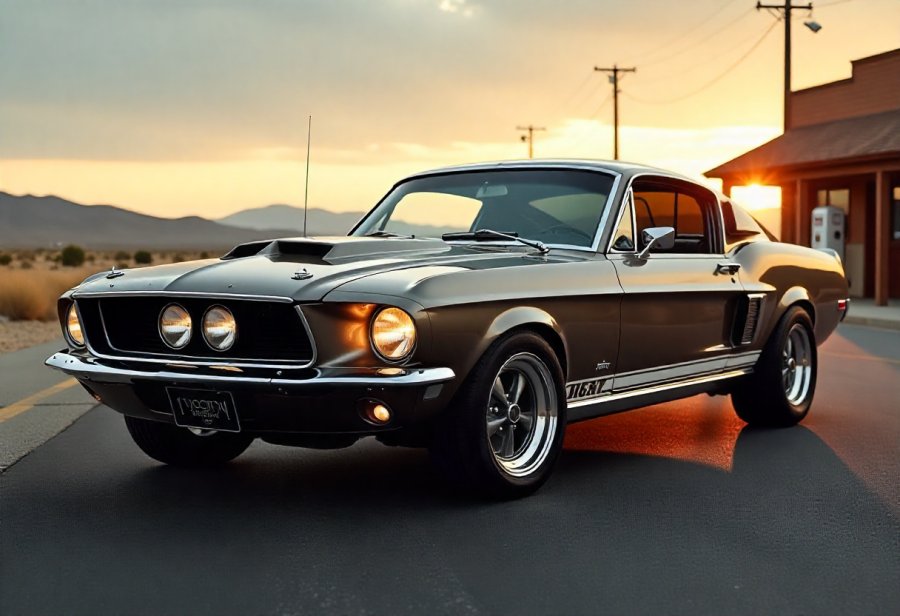
Design cues have played a pivotal role in maintaining the Mustang’s timeless appeal. The iconic pony grille, sleek fastback silhouette, and muscular wheel arches have become symbols of its heritage. While these elements have subtly evolved over the years, they always retain the essence of the original design. The side scoops and aggressive front fascia evoke speed and power, allowing the Mustang to stay visually relevant while honoring its roots.
Engine options have also shifted dramatically with technological progress. Early Mustangs featured modest inline-six engines, but the introduction of V8 options like the 289 and 351 Windsor set the standard for muscle cars. Today, Ford offers a mix of turbocharged four-cylinders and V8s, blending efficiency with raw performance. These updates not only improve handling and safety but also ensure the Mustang remains a true driver’s car.
Ford’s focus on balancing tradition with innovation has kept the Mustang relevant. Modern models incorporate advanced safety features, sophisticated infotainment systems, and performance enhancements like electronically controlled suspensions. Despite these improvements, the core experience—powerful, exhilarating, and character-rich—remains unchanged. This harmony allows the Mustang to appeal equally to nostalgic enthusiasts and new drivers seeking a high-performance vehicle.
Design-wise, the Mustang continues to honor its past while embracing contemporary styling. The recognizable fastback profile and muscular stance remain, but subtle updates give it a fresh look. Ford’s ability to modernize without losing the classic aesthetic ensures the Mustang’s visual appeal endures across generations.
Ultimately, the Mustang’s evolution demonstrates a careful balancing act: respecting a storied heritage while embracing change. Its design, performance, and technology reflect Ford’s commitment to keeping the spirit of the original alive. This ongoing process of reinvention secures the Mustang’s position as an enduring symbol of American resilience, ingenuity, and passion for performance.
Beyond the Road: The Mustang’s Enduring Symbolism in American Culture
The Ford Mustang has become more than just a vehicle; it’s a powerful emblem of American culture that has stood the test of time. Its distinctive design, from the iconic pony grille to the sleek fastback silhouette, instantly signals a rebellious spirit and a thirst for adventure. Over the decades, these visual cues have become symbols of freedom and individuality, shaping perceptions of what a muscle car can represent. The Mustang’s image resonates across generations, embodying a bold attitude that many aspire to.
Its influence extends beyond aesthetics. The Mustang’s reputation for raw power and performance has cemented its status as a cultural icon. Films like “Bullitt” and “Gone in 60 Seconds” showcased its capabilities and embedded it in cinematic history, reinforcing its role as a symbol of daring and independence. In music, from classic rock to contemporary hits, the car’s presence echoes themes of rebellion, resilience, and the pursuit of dreams—values deeply rooted in American identity.
The Mustang has also fostered a passionate community of enthusiasts who see it as more than just a car. Car shows, rallies, and clubs form a vibrant network of fans united by their admiration for its heritage. This shared enthusiasm keeps the legacy alive, transforming the Mustang into a cultural touchstone that continues to inspire pride and loyalty. It’s a vehicle that invites owners to see themselves as part of a larger story—one of resilience, innovation, and boundless spirit.
Across different eras, the Mustang’s popularity has never waned. It has evolved with society’s changing tastes and technological advancements, yet it has always maintained its core identity: a symbol of freedom, power, and American ingenuity. This enduring appeal lies in its ability to adapt without losing the essence that made it legendary. Whether in classic form or modern iteration, the Mustang continues to evoke emotion and admiration, bridging past and present.
Beyond the realm of cars, the Mustang influences art, fashion, and social attitudes. Its presence in popular culture has helped shape perceptions of rebellion and independence, inspiring stories and symbols that celebrate the American dream. This cultural relevance fuels its status as an icon—one that represents resilience, innovation, and the relentless pursuit of excellence.
The legacy of the Mustang endures because it embodies a shared ideal—an unyielding pursuit of freedom and excellence that resonates across generations. It remains a symbol of American resilience and creativity, inspiring new drivers to chase their dreams while honoring a storied past. The Mustang’s cultural significance is woven into the fabric of American life, ensuring its place as a timeless icon that will continue to thrill and inspire for years to come.
The Mustang Today: Bridging Tradition and Innovation in Modern Automotive Design
Today, the Ford Mustang continues to be a symbol of freedom and individuality, proving its relevance in the modern automotive landscape. No longer just a nostalgic icon, today’s Mustang balances impressive performance with cutting-edge technology and sleek design, appealing to a diverse range of drivers. Whether used as a daily driver, a weekend thrill ride, or a collector’s gem, it remains a flagship for innovation rooted in tradition.
Ford has enhanced the modern Mustang with advanced safety features, sophisticated infotainment systems, and driver-assistance technologies. Features like adaptive cruise control, lane-keeping assist, and smartphone connectivity make it easier to enjoy high performance without sacrificing practicality. These innovations cater to contemporary drivers who want excitement but also value safety and convenience in their everyday life.
Engine options have evolved significantly, reflecting shifting priorities around efficiency and sustainability. While the iconic V8 engines still deliver exhilarating power, Ford now offers turbocharged four-cylinder variants like the EcoBoost, which provide impressive performance with better fuel economy. This move allows the Mustang to remain competitive in an era focused on environmental responsibility, without compromising its core character of speed and adrenaline.
Design-wise, the modern Mustang pays homage to its roots with a recognizable fastback profile and muscular stance, but it also incorporates subtle updates that give it a fresh, contemporary look. The sleek lines, aggressive grille, and aerodynamic details reflect a perfect blend of classic muscle car aesthetics and modern styling cues. This seamless integration ensures the Mustang remains visually compelling and emotionally resonant for both longtime fans and new enthusiasts.
Beyond its physical appeal, the Mustang’s cultural presence persists through appearances in movies, TV shows, and music. It continues to symbolize independence, rebellion, and the pursuit of adventure—values that resonate across generations. Ford’s ongoing commitment to innovation, combined with respect for its heritage, keeps the Mustang relevant and exciting. As it looks toward the future—possibly including electric and hybrid models—it aims to carry its legacy forward, blending performance, style, and sustainability into a new chapter of American automotive excellence.
A Timeless Icon: Reflecting on the Mustang’s Enduring Legacy and Cultural Significance
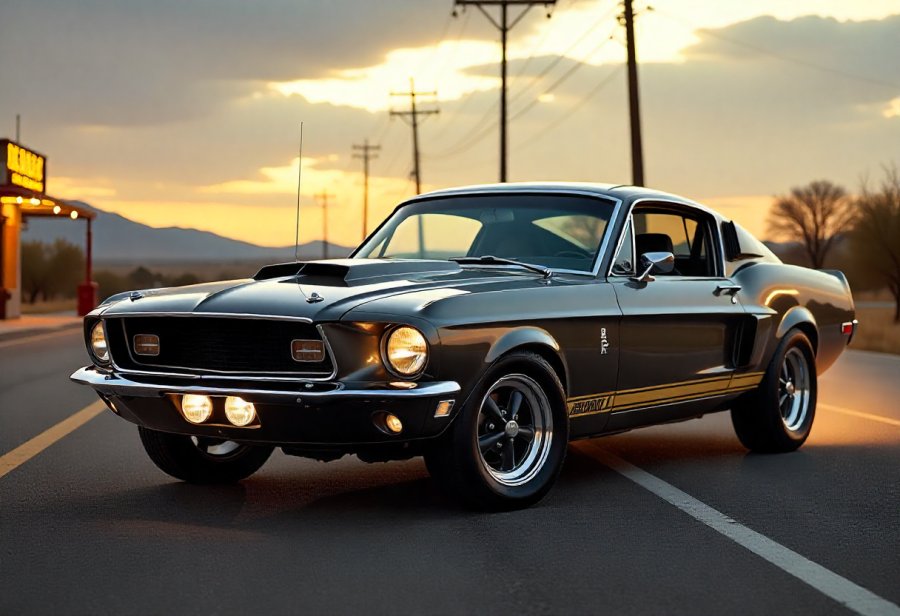
The Ford Mustang’s legacy extends far beyond its impressive design and raw power; it embodies a spirit of resilience and innovation that has stood the test of time. From its debut in the 1960s, the Mustang became more than just a car—it became a symbol of freedom, rebellion, and the pursuit of dreams. Its bold lines and roaring engines captured the imagination of generations, inspiring countless stories of pushing boundaries and embracing individuality.
What makes the Mustang’s story so compelling is its ability to evolve without losing its essence. It has navigated decades of changing tastes, technological leaps, and societal shifts, all while maintaining a clear connection to its roots. This balance between tradition and reinvention has kept the car relevant, ensuring its place as an enduring cultural icon. Whether seen in a vintage model or a modern iteration, the Mustang continues to evoke pride and aspiration.
Its influence permeates movies, music, and art, reinforcing its identity as a symbol of independence and daring. Films like “Bullitt” and “Gone in 60 Seconds” embedded the Mustang into cinematic history, while songs across genres celebrate its rebellious spirit. Enthusiasts and communities worldwide rally around its legacy, sharing stories that keep the myth alive and vibrant.
As the automotive landscape shifts toward sustainability, the Mustang’s ability to adapt remains key to its ongoing relevance. Ford’s exploration of electric and hybrid models aims to preserve the car’s performance and style while embracing a greener future. This evolution reflects a commitment not only to innovation but also to preserving the spirit that made the Mustang legendary.
The enduring power of the Mustang lies in its capacity to inspire. It stands as a testament to American resilience—an unyielding symbol of ingenuity, freedom, and the relentless pursuit of excellence. Its story is woven into the fabric of American culture, inspiring new generations to chase their dreams with passion and confidence.
Through constant reinvention and unwavering dedication to performance, the Mustang continues to serve as a rallying point for enthusiasts and newcomers alike. Its legacy is a reflection of a culture that values boldness, resilience, and innovation—values that will keep it thriving for decades to come.
In the end, the Mustang exemplifies more than just a car; it represents a shared ideal of pushing boundaries and dreaming big. Its continued relevance proves that true icons are timeless—shaped by history, driven by passion, and destined to inspire endlessly. The Mustang’s story is far from over; it remains a symbol of American ingenuity and the unbreakable spirit of adventure.