In a world overwhelmed by digital noise, can tending a garden together serve as a powerful antidote to disconnect and loneliness? This heartfelt exploration reveals how shared outdoor activities—planting, watering, nurturing—do more than cultivate blooms; they nurture trust, patience, and emotional resilience. Gardening becomes a metaphor for growth in relationships, fostering open communication and mutual support as plants flourish side by side. Beyond the physical act, engaging with nature offers healing—reducing stress and encouraging mindfulness—while creating a space for genuine connection. As modern innovations make gardening more accessible and community projects expand, the future promises even richer opportunities for shared cultivation. Could these humble acts of tending soil be the key to unlocking deeper bonds and healing hearts in an increasingly fragmented world? The quiet power of gardening reminds us that true growth—personal and relational—begins with patience, presence, and care.
Reconnect and Heal Through Gardening in a Digital Age
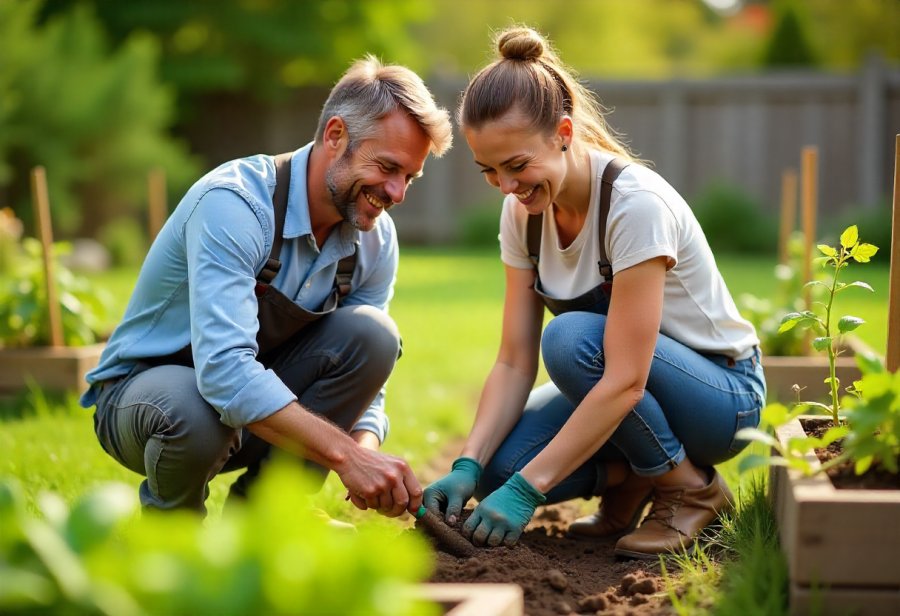
In today’s fast-paced digital world, genuine human connection can sometimes feel like a rare commodity. We spend hours glued to screens, scrolling through social media or responding to endless notifications, often losing sight of the simple, tactile experiences that truly ground us. Gardening offers a refreshing break from this digital noise—a chance to reconnect with nature and, in the process, reconnect with each other. When people come together outdoors, working side by side to plant, water, or tend to a garden, they naturally slow down and focus on a shared task. This common activity becomes a bridge—encouraging conversation, cooperation, and a sense of mutual purpose.
Beyond the physical act of planting or pruning, gardening touches something deeper—our innate need for connection, purpose, and care. Caring for plants together fosters teamwork and patience, nurturing trust and understanding in subtle yet powerful ways. Watching a seed sprout into a vibrant plant or a flourishing vegetable reminds us that growth, like relationships, takes time and gentle effort. These shared moments of tending to life cultivate empathy and resilience, qualities essential for strong bonds.
Gardening also acts as a form of emotional therapy. Spending time outdoors in nature reduces stress and promotes mindfulness, helping us unwind from daily pressures. When done with others, these moments become opportunities for honest dialogue and genuine connection, creating a safe space for vulnerability and support. The act of nurturing something living together becomes a quiet metaphor for nurturing relationships—an ongoing process of patience, trust, and mutual care that deepens bonds in a natural, unforced way.
The sensory experiences involved—feeling the soil, smelling blooming flowers, hearing rustling leaves—draw us into the present moment. These tactile interactions foster a calm, relaxed atmosphere where conversations flow more easily, and silences feel comfortable. Sharing in the care of a garden becomes an act of shared mindfulness, strengthening emotional ties without the need for words. It’s in these quiet, everyday moments that genuine connection often blossoms, rooted in the simple act of tending to life together.
Ultimately, gardening’s power lies in its ability to heal and unite. Working side by side to nurture a garden reinforces patience, trust, and empathy—traits that extend far beyond the garden bed. As the plants grow and flourish, so do the relationships involved. In a world increasingly dominated by digital interactions, these outdoor moments serve as vital reminders that authentic bonds are often cultivated through shared effort, presence, and care. Gardening, in its quiet way, reminds us that growth—both personal and relational—is a lifelong journey worth tending.
How Gardening Cultivates Trust, Communication, and Shared Purpose
Gardening naturally fosters trust and open communication because it demands coordination and shared effort. When two or more people work side by side—planting seeds, watering, or weeding—they learn to rely on each other’s judgment and contributions. This shared responsibility builds a sense of teamwork and mutual respect that can extend beyond the garden itself. As plants grow and setbacks like pests or weather challenges arise, these experiences prompt honest conversations and collaborative problem-solving, deepening understanding and trust.
In a garden, patience, teamwork, and nurturing are essential for relationship growth. Tasks such as pruning or watering require clear communication and cooperation, teaching participants to listen and respond thoughtfully. Watching plants take time to flourish reminds us that growth often needs persistence and gentle encouragement. Celebrating small successes or supporting each other through setbacks fosters empathy and care, strengthening emotional bonds. These acts of nurturing develop stronger connections by creating a shared sense of purpose and mutual support.
Gardening also offers a therapeutic outlet that supports emotional healing. Caring for plants provides a sense of control and purpose, especially during difficult times. Sharing this process creates a safe space where partners or friends can lean on each other as they face setbacks or slow progress. The garden becomes a metaphor for resilience—showing that patience and care can turn challenges into opportunities for growth. These shared moments of nurturing ease emotional tension and deepen bonds through mutual support and understanding.
Research shows that engaging with green spaces and practicing gardening boosts mental health. The rhythmic act of tending plants, combined with nature’s calming presence, reduces stress hormones and releases mood-enhancing chemicals like endorphins. When done together, these moments foster a sense of achievement and solidarity, making relationships more resilient. Routine activities like watering or harvesting become natural chances for conversation and connection, reinforcing emotional bonds built through shared effort.
Starting with manageable projects, like planting herbs or creating a flower bed, makes gardening accessible and enjoyable. Routine tasks—watering in the evening or harvesting on weekends—become meaningful rituals that encourage ongoing collaboration. Open communication about responsibilities and expectations keeps the experience positive and prevents misunderstandings. Over time, these small acts of care and effort lay a strong foundation of trust and emotional intimacy, illustrating how gardening can nurture not only plants but also the relationships that matter most.
Practical Ways to Incorporate Gardening into Daily Routines for Stronger Bonds
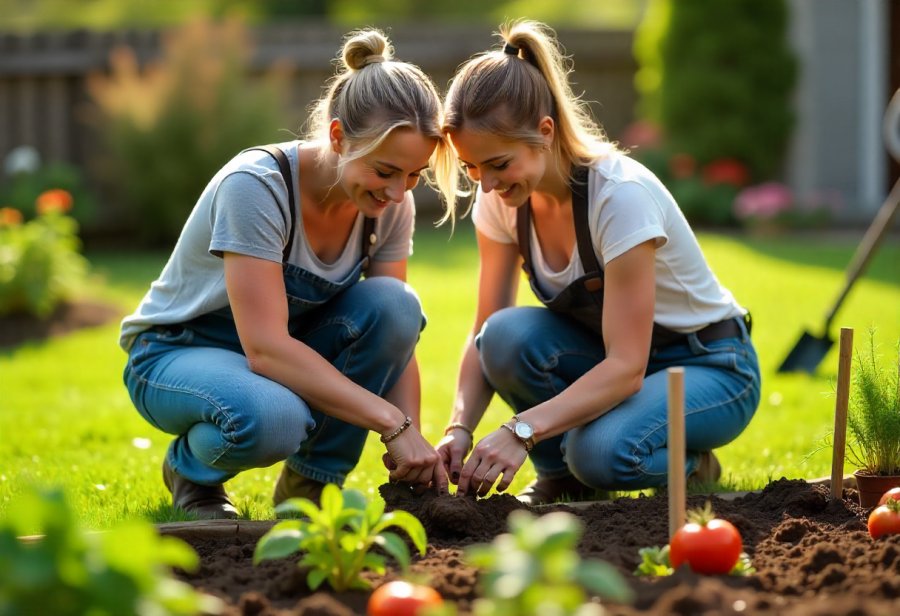
Integrating gardening into everyday routines doesn’t need to be complicated or time-consuming. Starting with just a few minutes each day—whether watering a small pot of herbs or tending to a few vegetable seedlings—can make a noticeable difference. These small, consistent acts create a rhythm that naturally weaves gardening into daily life, making it feel effortless rather than burdensome. Even brief moments spent outdoors, sharing tasks like watering or pruning, become meaningful opportunities for connection.
Choosing a dedicated outdoor space can help reinforce this habit. Whether it’s a corner of the yard, a balcony, or a windowsill, having a designated area invites everyone to participate regularly. Planning together what to grow, arranging the space, or deciding on harvest times keeps the process collaborative and engaging. These shared decisions turn routine care into a shared project, strengthening communication and teamwork without adding stress.
Spending just a few minutes outside offers more than physical activity; it opens a space for genuine connection. Tending to plants in the fresh air helps shift focus away from worries and into the present moment. When done with others, outdoor gardening creates a relaxed environment where conversations flow naturally. The sensory experiences—feeling soil, smelling flowers, hearing rustling leaves—encourage mindfulness and ease, helping relationships grow more comfortably and openly.
Routine gardening activities become emotional anchors during tough times. Tasks like watering or pruning provide a sense of stability and purpose, offering comfort amid chaos. Celebrating small milestones, such as a sprouting seed or a blooming flower, fosters positivity and shared pride. Facing challenges together—like pests or weather setbacks—teaches patience and resilience, turning obstacles into opportunities for mutual support and understanding.
Starting with manageable projects keeps the experience enjoyable and accessible. Planting herbs in containers or creating a simple flower bed are great options that fit easily into daily routines. Using basic tools like trowels, watering cans, or gloves makes the process straightforward and fun. Collaborating on layout ideas or choosing plants sparks creativity and shared enthusiasm, transforming gardening from a chore into an adventure.
Flexibility is key to maintaining this connection. Mistakes or disagreements over plant choices are natural and part of the learning process. Open communication about responsibilities and expectations prevents misunderstandings and keeps everyone feeling valued. Remember, gardening is a journey—embracing imperfections and celebrating progress keeps the experience light and rewarding.
With patience and teamwork, gardening becomes more than just a hobby; it evolves into a meaningful way to nurture bonds. These shared efforts foster trust, empathy, and understanding, deepening emotional ties over time. As plants grow, so do relationships—rooted in care, patience, and mutual effort. Turning everyday gardening into a deliberate act of connection transforms simple routines into lasting, healing bonds.
Gardening as a Practical Tool for Emotional and Relational Growth
Gardening is more than a pleasant hobby; it’s a practical activity that can significantly strengthen emotional and relational bonds. When people work together to plant, nurture, and harvest, they develop essential skills like teamwork, patience, and clear communication. These shared efforts foster mutual understanding and trust, creating a foundation that extends beyond the garden. Over time, tackling challenges such as pests or unpredictable weather encourages collective problem-solving, reinforcing resilience and collaboration in relationships.
Setting tangible goals, like growing vegetables or flowering plants, provides a sense of shared achievement. Reaching these milestones together boosts pride and reinforces a feeling of success rooted in cooperation. Facing setbacks side by side—whether a plant doesn’t thrive or pests appear—teaches patience and persistence, turning obstacles into opportunities for mutual support. This process mirrors real-life situations where perseverance and teamwork are key to overcoming difficulties, deepening emotional connections along the way.
Routine gardening tasks—watering, pruning, harvesting—become ongoing moments of connection and care. These small, consistent acts create routines that foster familiarity and trust. Celebrating a blooming flower or a fruitful harvest cultivates positive feelings and shared joy, strengthening bonds through simple acts of nurturing. As partners or friends see the results of their collective effort, they develop a deeper appreciation for each other’s strengths and vulnerabilities, enriching their emotional intimacy.
Gardening also offers practical benefits for mental health and well-being. The rhythmic activity of tending plants, combined with the calming presence of nature, reduces stress hormones and releases mood-enhancing chemicals like endorphins. When done together, these moments become powerful bonding experiences, fostering a sense of achievement and solidarity. Whether it’s a weekend harvest or a daily watering ritual, these shared routines create natural opportunities for conversation and emotional support.
Starting with manageable projects, like planting herbs in containers or creating a small flower bed, makes the process accessible and enjoyable. Simple tools and straightforward tasks keep gardening engaging without feeling overwhelming. Collaborating on layout ideas or plant choices sparks creativity and shared enthusiasm, transforming gardening from a chore into a shared adventure. Over time, these small acts of care build a strong, enduring foundation of trust, patience, and mutual understanding—showing that nurturing a garden can truly nurture the relationships that matter most.
The Future of Gardening: Trends, Innovations, and Bonds Ahead
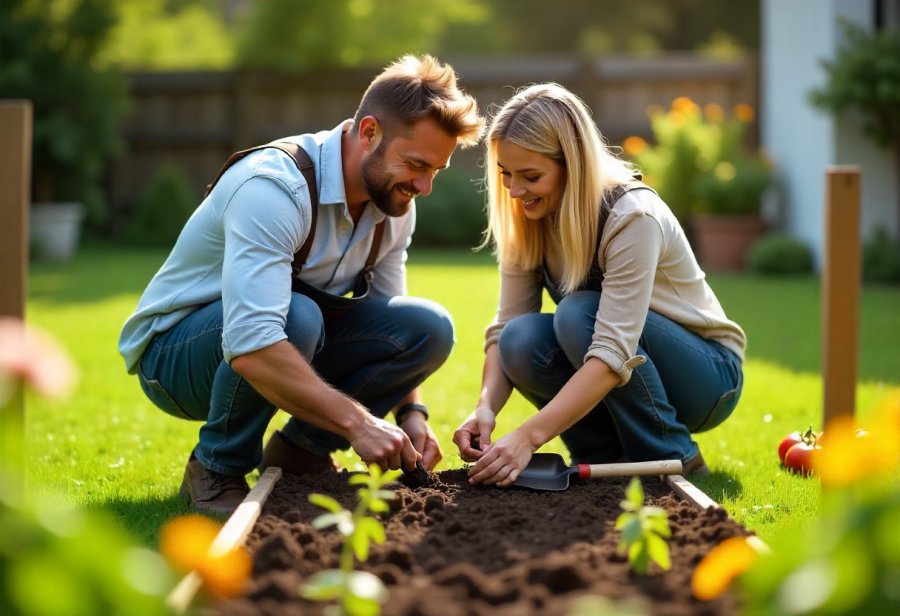
Looking ahead, the role of gardening as a tool for connection and healing continues to evolve with new trends and innovations shaping its future. Urban greening projects and community gardens are becoming more widespread, transforming concrete jungles into shared spaces where diverse groups come together to nurture and grow. These communal efforts foster social bonds through collective responsibility, turning green spaces into hubs of cooperation, understanding, and resilience, especially in densely populated cities.
Advances in technology are making gardening more accessible and engaging than ever. Smart devices like automated watering systems, soil sensors, and virtual gardening communities enable even beginners to participate with confidence. Online platforms, social media groups, and digital forums connect gardeners across distances, creating a sense of belonging and shared learning. These tools help bridge gaps for those with limited outdoor space or busy schedules, ensuring that the healing power of gardening remains within reach for many.
Therapeutic horticulture programs are gaining recognition for their profound healing potential. Hospitals, schools, and community centers increasingly incorporate gardening into their wellness initiatives. Emphasizing mindfulness, emotional resilience, and social connection, these programs demonstrate how tending plants can be a powerful form of therapy. As research underscores the mental health benefits of gardening, expect more integration of outdoor activities into healthcare practices, reinforcing the idea that caring for plants nurtures both body and mind.
Beyond individual projects, gardening’s universal language of cooperation is gaining momentum. Shared efforts in urban farms and collective planting initiatives serve as practical bridges across social and cultural divides. These collaborations promote patience, mutual support, and empathy—values essential for a more connected society. As communities embrace these collective green spaces, they lay the groundwork for stronger, more resilient social networks rooted in shared care and purpose.
The focus on sustainability and local food production further links gardening to relationship-building. Growing your own herbs or vegetables not only supports healthier lifestyles but also encourages shared responsibility and tradition. Cooking and sharing meals from a garden create meaningful moments of connection, turning simple acts of cultivation into opportunities for storytelling, bonding, and community building. As environmental awareness grows, gardening offers an accessible way for people to come together around common goals—fostering hope, resilience, and collective growth in a changing world.